Fondazione Querini Stampalia
3 min read
In Venice, water is the enemy. Every building fights it. Carlo Scarpa, renovating the ground floor of the Fondazione Querini Stampalia in 1961, did something else entirely — he let the water in.
Acqua Alta
The ground floor sits at canal level. When the tide rises, as it does regularly, water enters the building through a carefully designed channel. It flows across the floor, pools in shallow basins lined with mosaic, and recedes. The architecture does not resist the flood. It choreographs it.
Scarpa designed a raised walkway of Istrian stone and concrete that allows visitors to move through the space even when the floor is submerged. The water becomes part of the experience — not a failure of the building but a feature of it.
The Bridge
You enter across a small bridge that Scarpa designed to replace the original. It is a steel and wood structure, modest in span, but every detail — the handrail, the connection to the facade, the slight arc of the deck — has been considered with obsessive precision. The bridge does not simply cross a canal. It announces a way of thinking about how things are joined.
Architecture is the will of an epoch translated into space.
The Garden
Behind the palazzo, Scarpa designed a garden that is part courtyard, part water feature, part sculpture. A concrete channel carries water along the perimeter. A copper spout feeds a shallow basin. The planting is spare — hedges, a few trees — and the ground alternates between stone, grass, and water. The materials change with the weather and the seasons, and the garden is never the same twice.
The Details
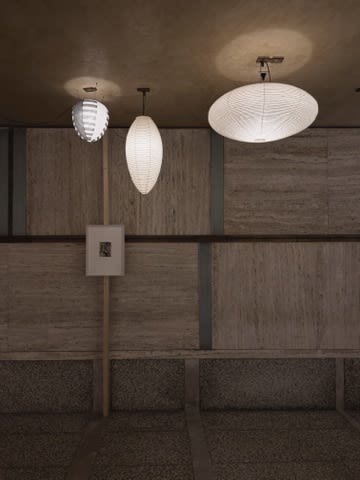
Scarpa's work is in the joints. Where concrete meets stone, where metal meets wood, where old wall meets new floor — these transitions are never simple. Each one is designed as if it were the entire project. A brass edge trim. A shadow gap between materials. A stone slab floated slightly above the floor on hidden supports.
This is architecture at the scale of millimeters, where the way two surfaces touch each other carries as much meaning as the shape of the room they define.
Old and New
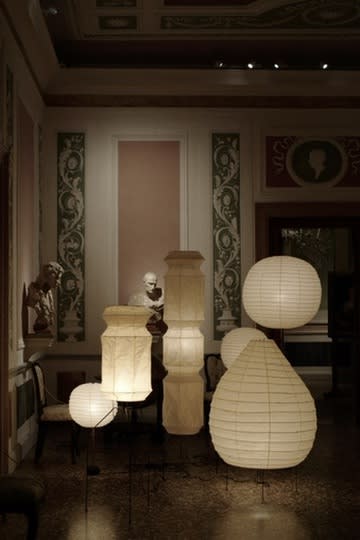
The Querini Stampalia is a sixteenth-century palazzo. Scarpa did not restore it and did not replace it. He intervened — inserting new elements that are unmistakably modern alongside walls and ceilings that are unmistakably old. The contrast is deliberate. The new work does not pretend to be old, and the old work is not cleaned up to look new. They coexist, each making the other more visible.
—gallery