Notre-Dame du Haut
3 min read
The chapel at Ronchamp does not look like anything Le Corbusier built before or after. It sits on a hilltop in the Vosges mountains like something between a ship and a sculpture — its roof curved like a sail, its walls thick and white and riddled with light.
The Roof
The roof is the first thing you see and the last thing you understand. It is a shell of reinforced concrete, heavy and dark, that appears to float above the walls. A narrow gap separates the roof from the wall surface, admitting a ribbon of light that makes the mass seem weightless. The engineering is hidden. The effect is miraculous — tons of concrete hovering over your head, held up by what appears to be nothing but air.
The curve recalls a crab shell Le Corbusier found on a beach. He kept it on his desk for years. The chapel is full of these private associations — forms borrowed from nature and transformed into architecture without explanation.
The South Wall
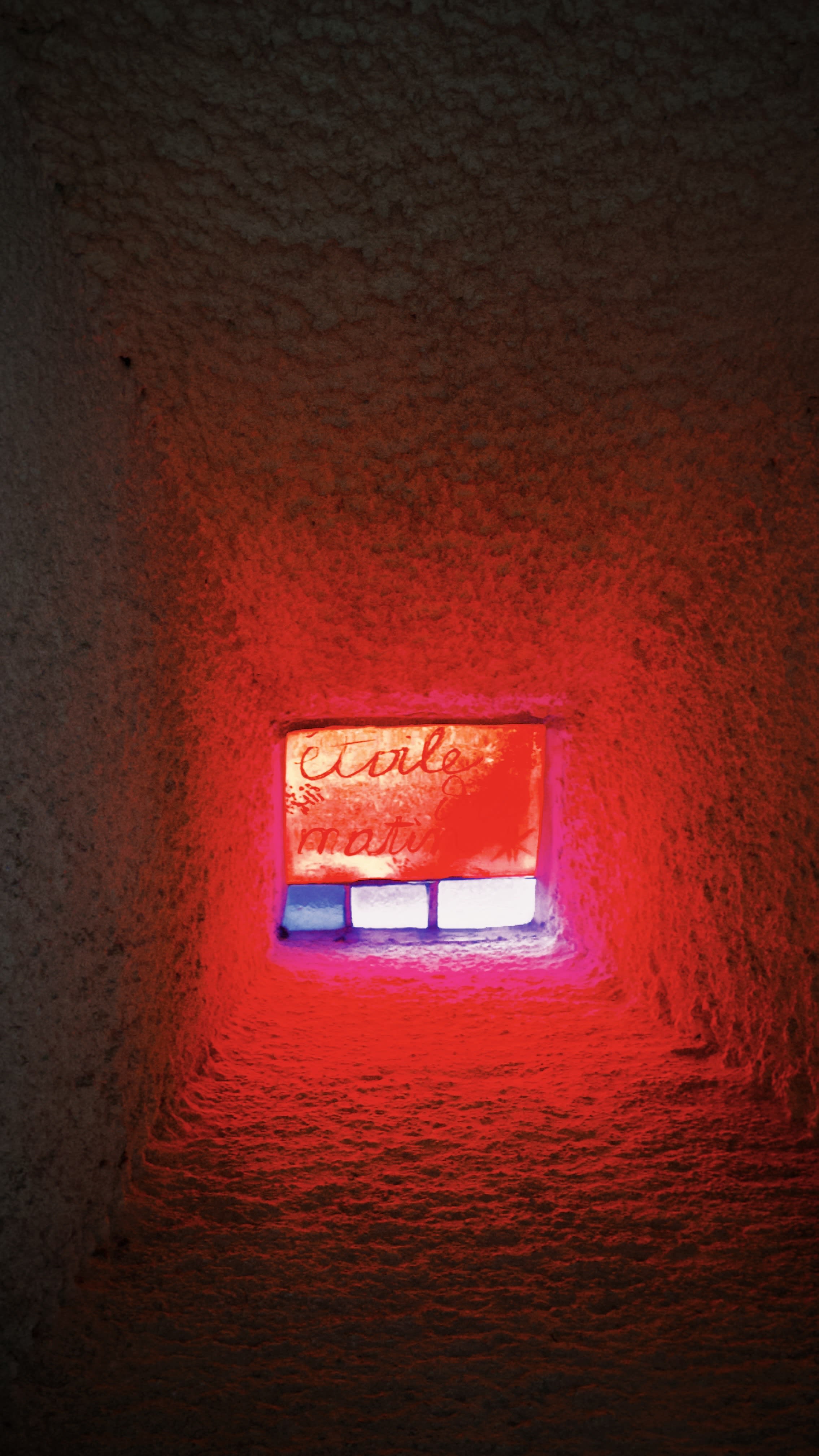
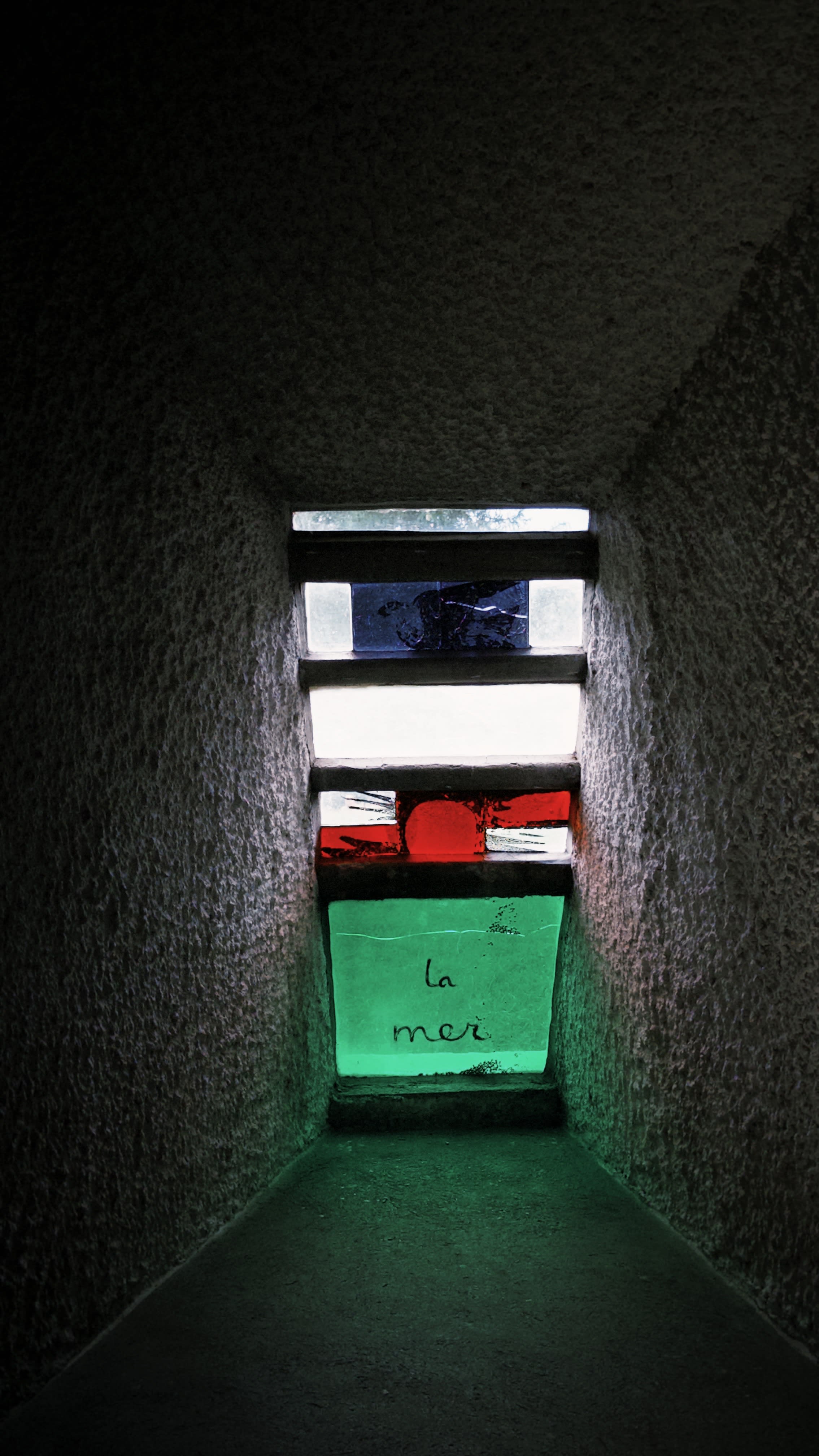
The south wall is pierced with openings of different sizes, scattered asymmetrically across its surface like stars in a constellation. Each aperture is a deep funnel cut through the thick concrete, splaying outward toward the interior so that light enters as colored shafts — red, blue, yellow, clear — depending on the glass set into each opening.
The key is light, and light illuminates shapes, and shapes have an emotional power.
The effect inside is overwhelming. The chapel is dim, almost cave-like, and the points of colored light feel less like windows than like punctures in the skin of the building, letting something in from outside that is not quite daylight.
The Three Towers
Three towers rise from the chapel's corners, each capped with a half-dome that captures light from above and channels it downward into the interior. These are the side chapels — small, vertical spaces flooded with indirect light from a source you cannot see. Standing inside one, looking up, you understand that the building is about one thing: the manipulation of light in the service of feeling.
The Hill
Ronchamp is a pilgrimage site. The chapel sits where churches have stood since at least the fourth century, on a hill visible for miles in every direction. Le Corbusier understood this. The approach is part of the architecture — the climb up the hill, the slow reveal of the building's profile against the sky, the arrival at a door that is small and heavy and requires effort to open.
Inside, the floor slopes with the hillside. The pews are rough. Nothing is comfortable. The building does not welcome you — it receives you, which is different.
—gallery