MFAH Beck Building
2 min read
The Audrey Jones Beck Building sits across Bissonnet Street from Mies van der Rohe's earlier MFAH building, and the conversation between the two is the first thing you notice. Where Mies used glass and steel in strict horizontal planes, Moneo answered with limestone and mass — a building that is opaque where Mies was transparent, solid where Mies was skeletal.
The Facade
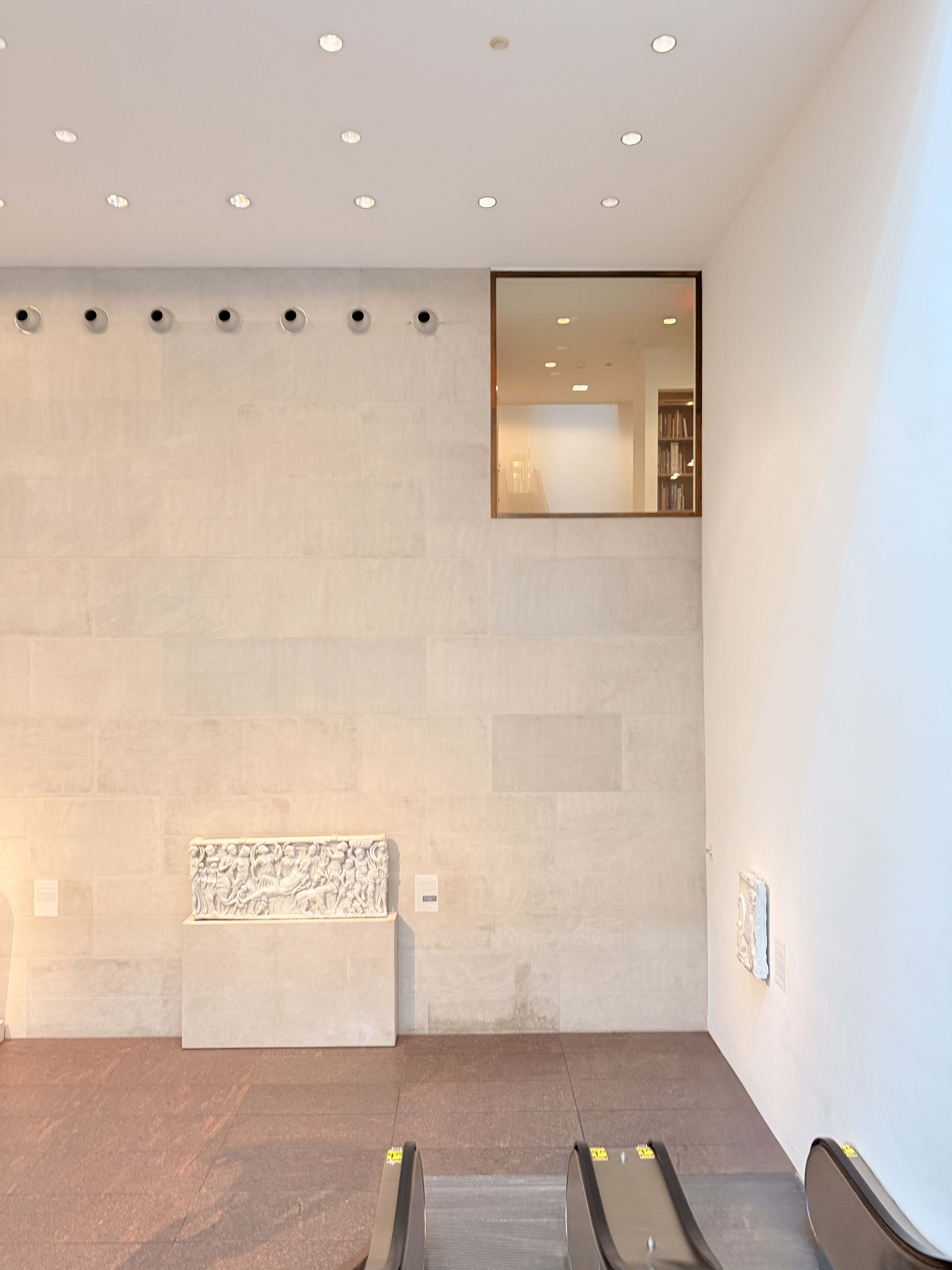
The exterior is clad in pale limestone, its surface broken into large planes that step back and forward in subtle shifts. The massing is simple — a long, low rectangle — but the articulation of the surface gives it depth. Shadows collect in the recesses. The stone warms in the Houston sun and holds heat into the evening.
There are very few windows on the street-facing walls. The building turns inward, away from the city, toward its own light.
The Atrium
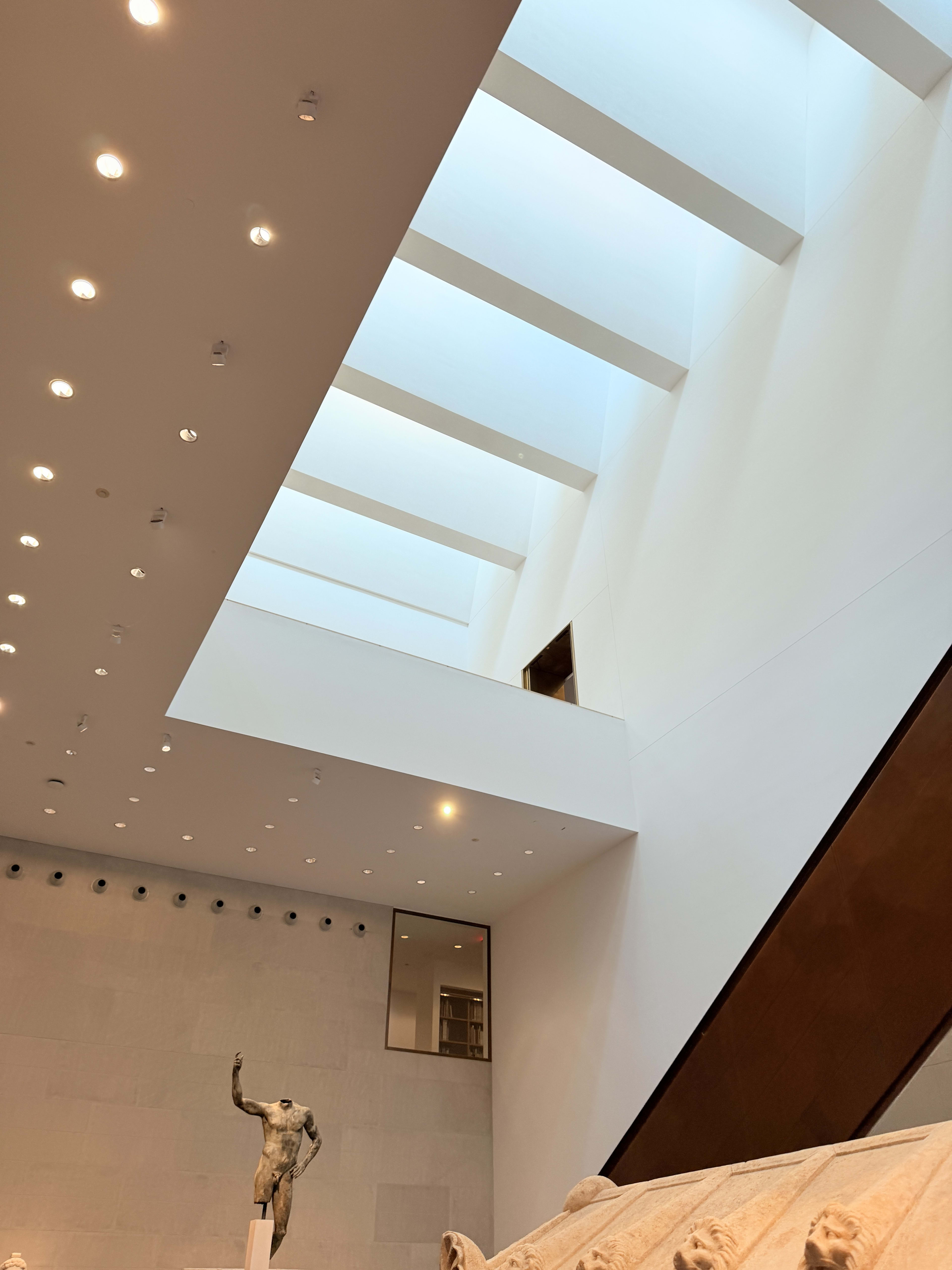
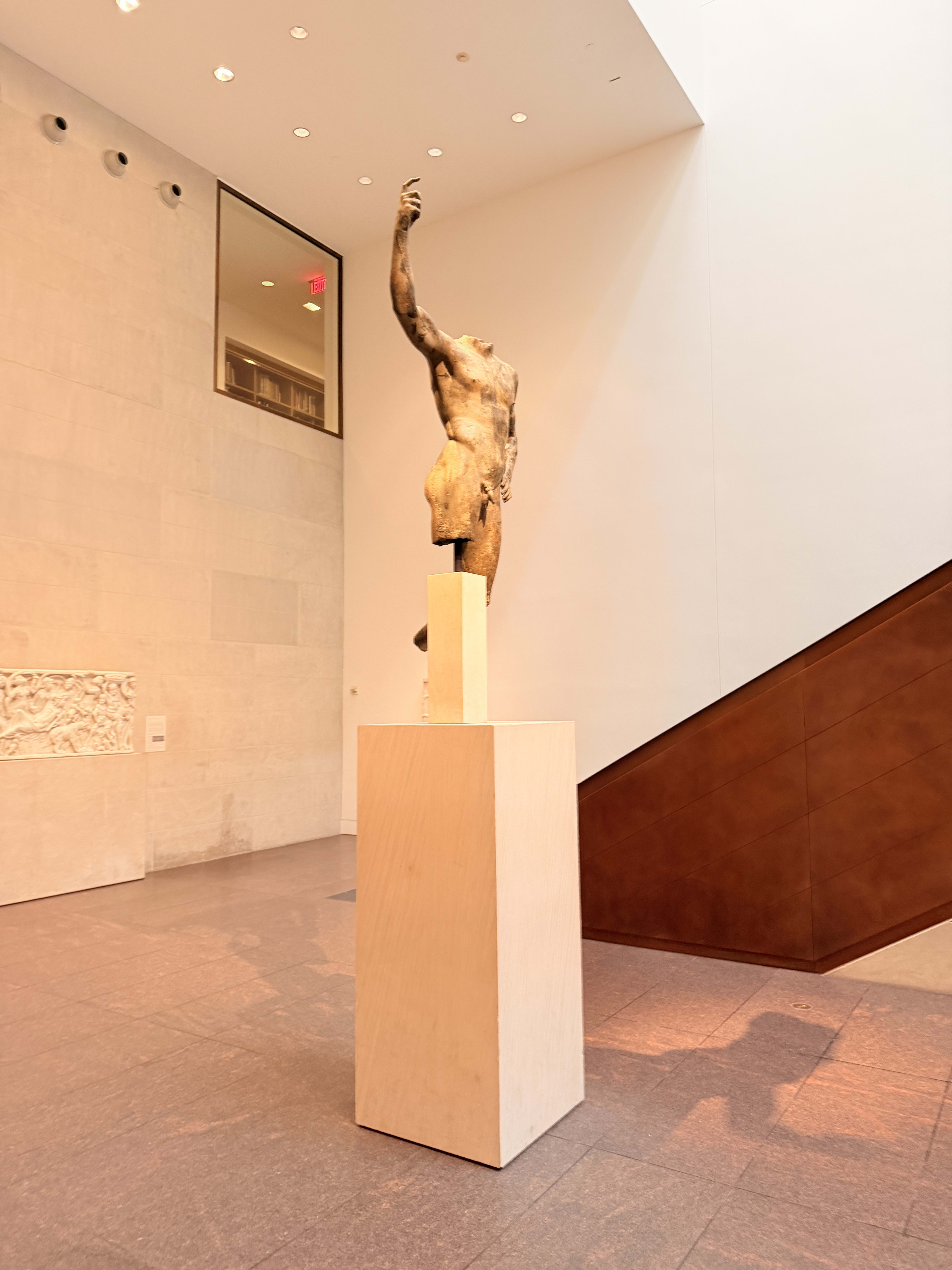
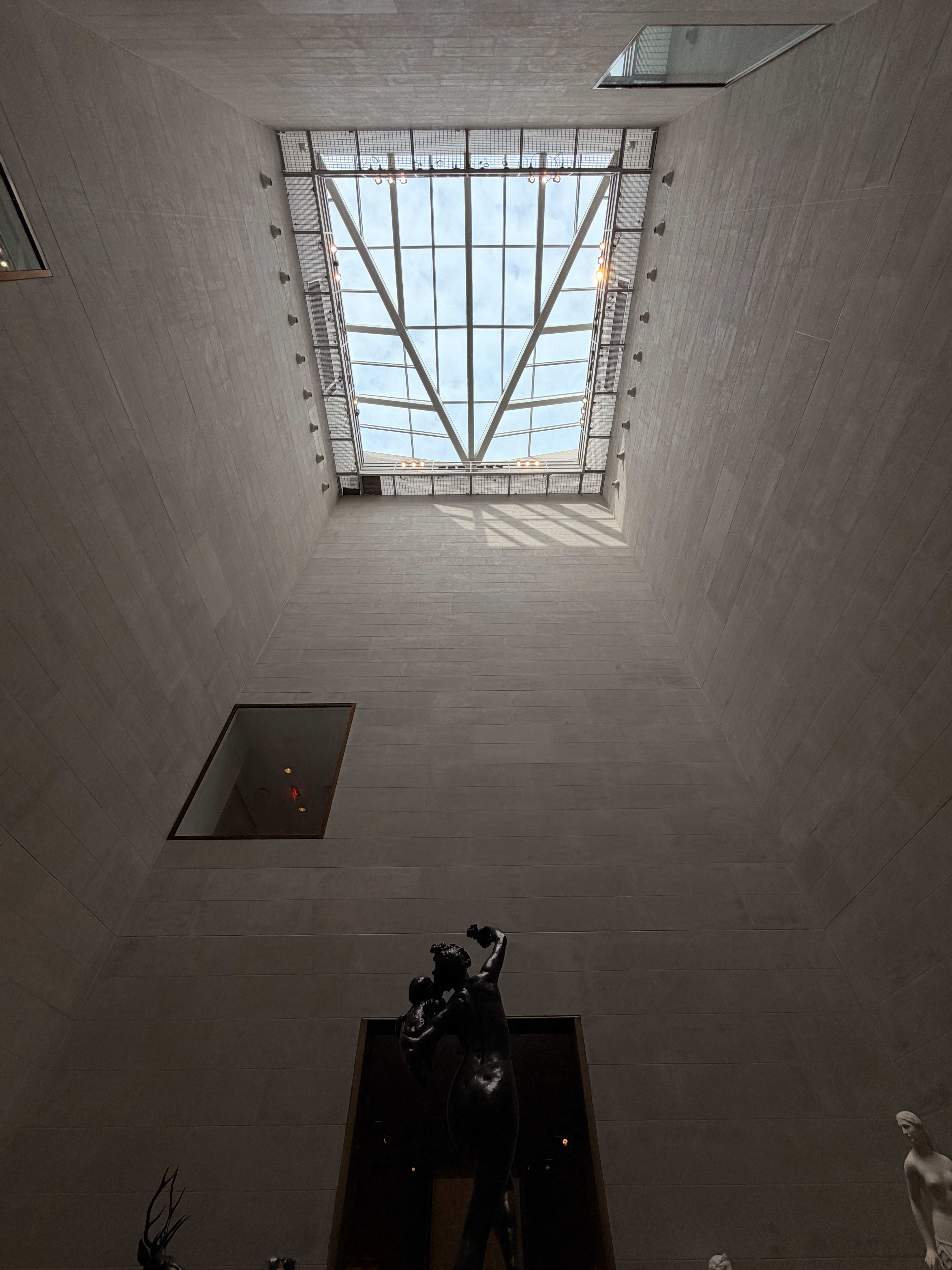
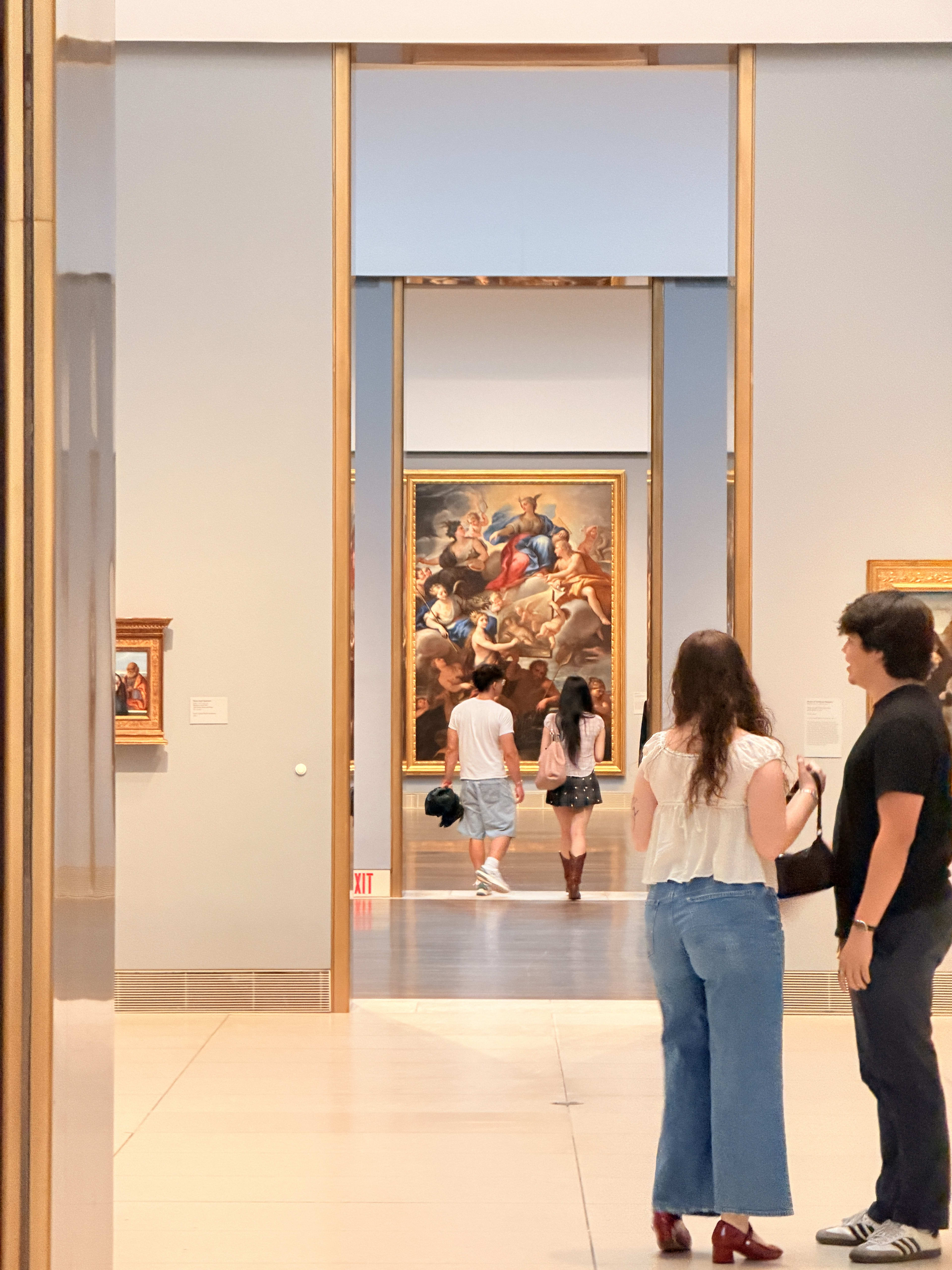
Inside, a central atrium organizes the plan. It is tall and narrow, topped by a skylight that admits filtered daylight down through the building's core. The galleries radiate outward from this spine, each calibrated for the collection it houses — some with natural light from above, others sealed and artificially lit for works on paper.
Architecture is the space between the walls, not the walls themselves.
The circulation is clear. You always know where you are in relation to the atrium, and the atrium always tells you where the light is coming from.
Light from Above
Moneo's treatment of natural light is the building's most considered feature. A system of louvers and baffles in the roof filters daylight before it reaches the gallery walls, evening out the harsh Texas sun into something soft and diffused. The quality of light changes through the day but never becomes harsh. It is museum light — controlled, even, and quiet.
The Underground
A tunnel connects the Beck Building to Mies's original structure beneath the street. The passage is lined with art, turning what could have been a utilitarian connector into gallery space. The transition between the two buildings — from Moneo's warm stone to Mies's cool steel — is gradual enough that you register the shift in atmosphere before you notice you have crossed the street.
—gallery