津梅棧道 Jin-Mei Forest Walkway
2 min read
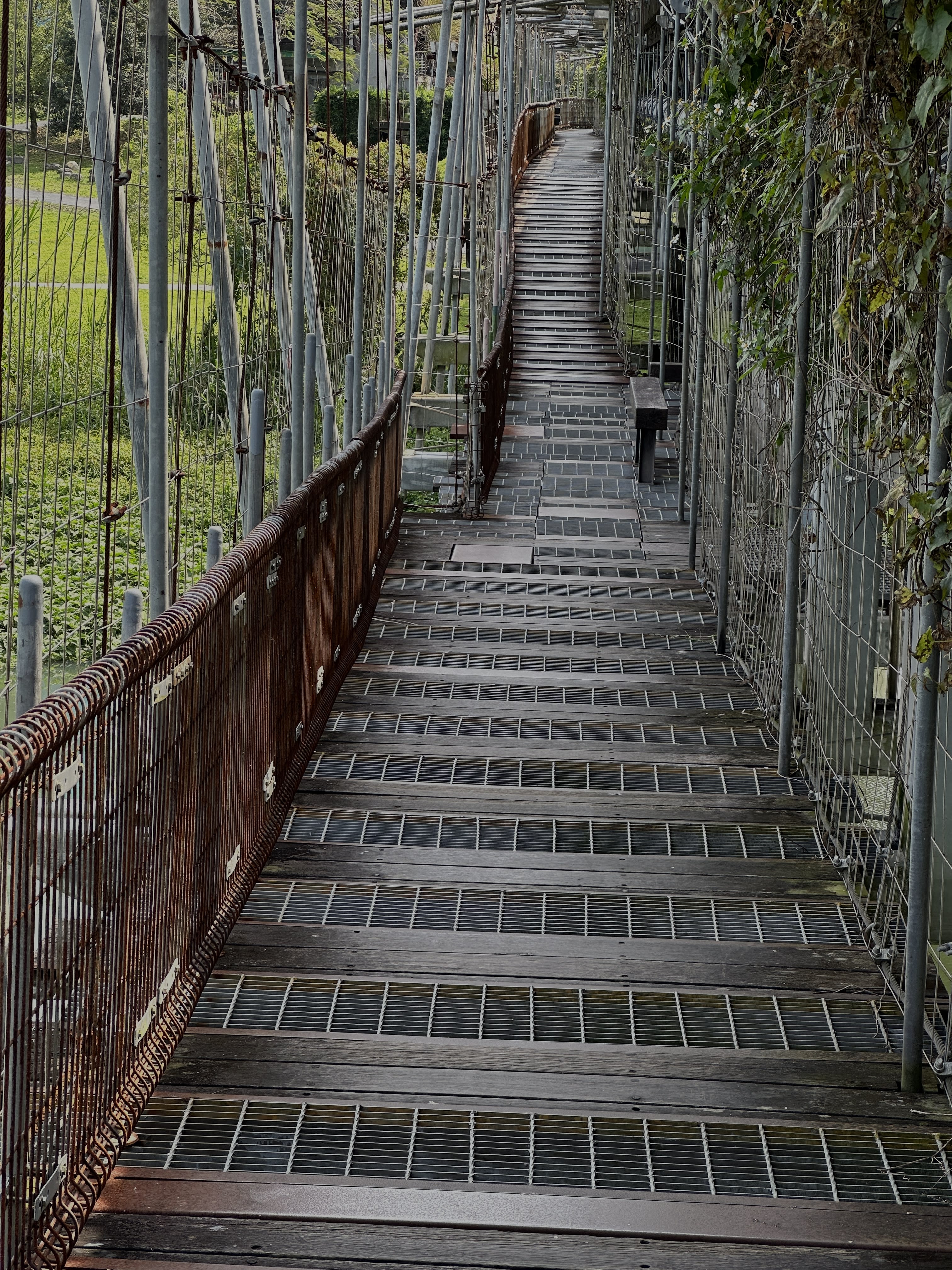
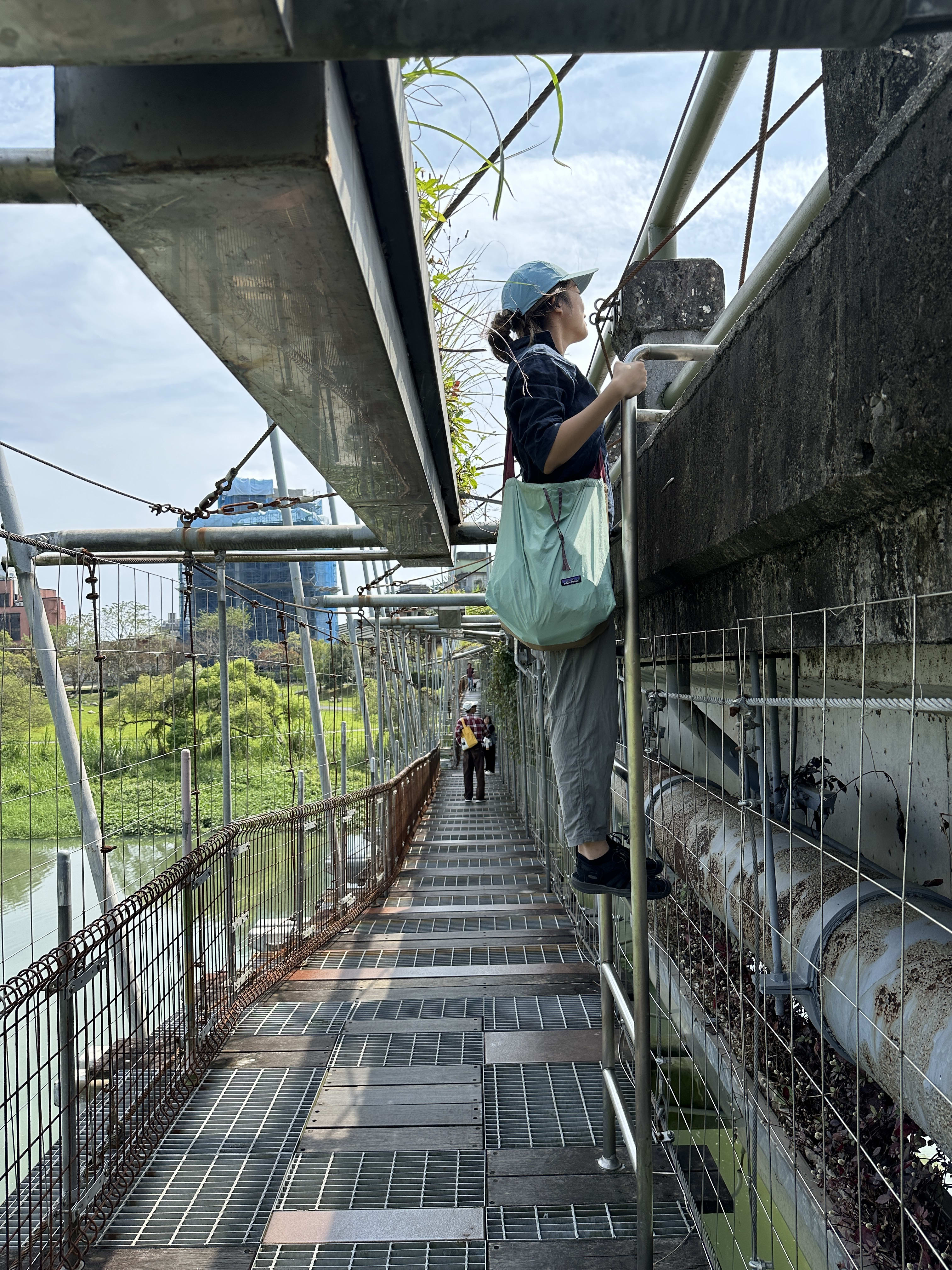
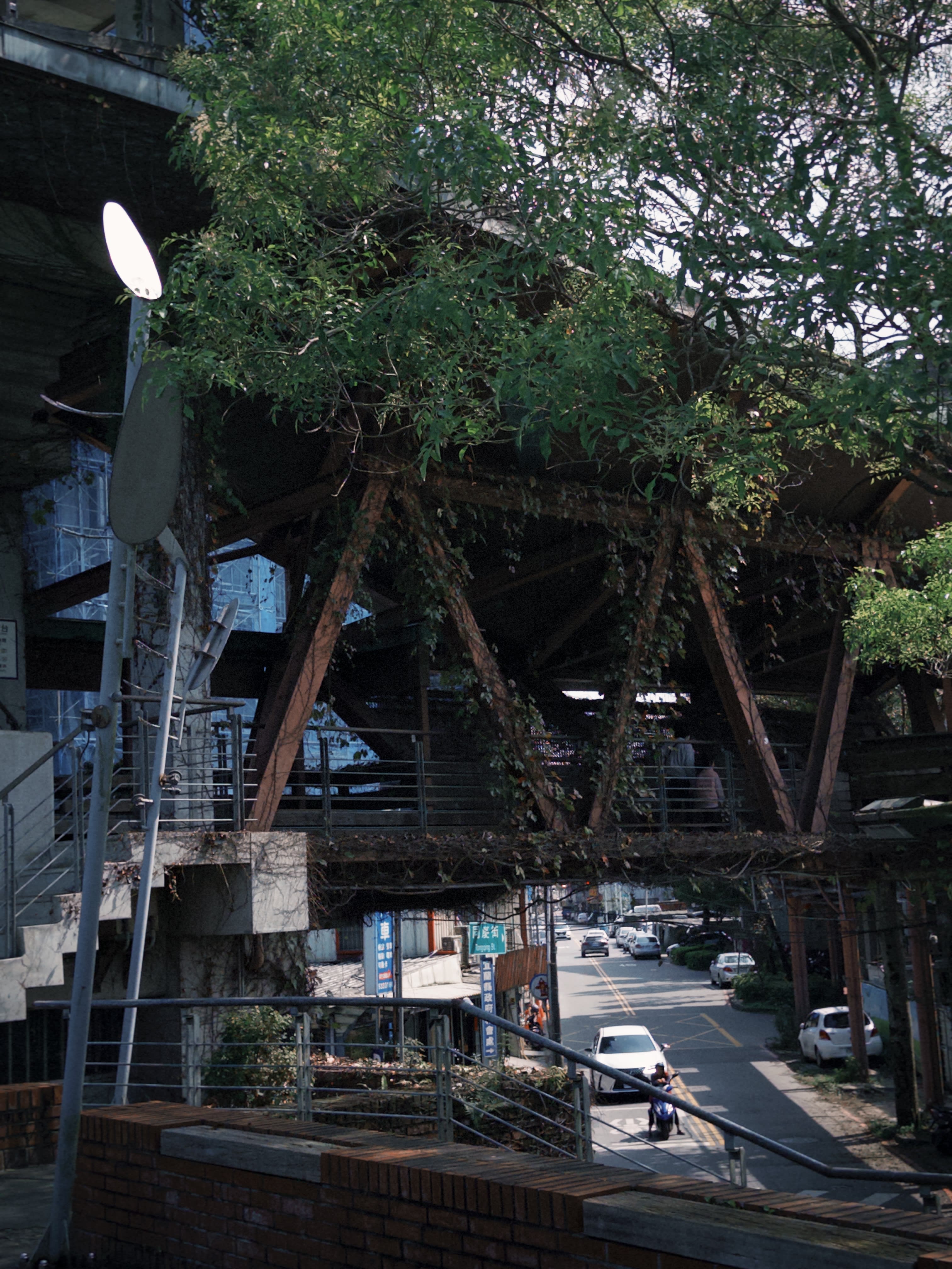
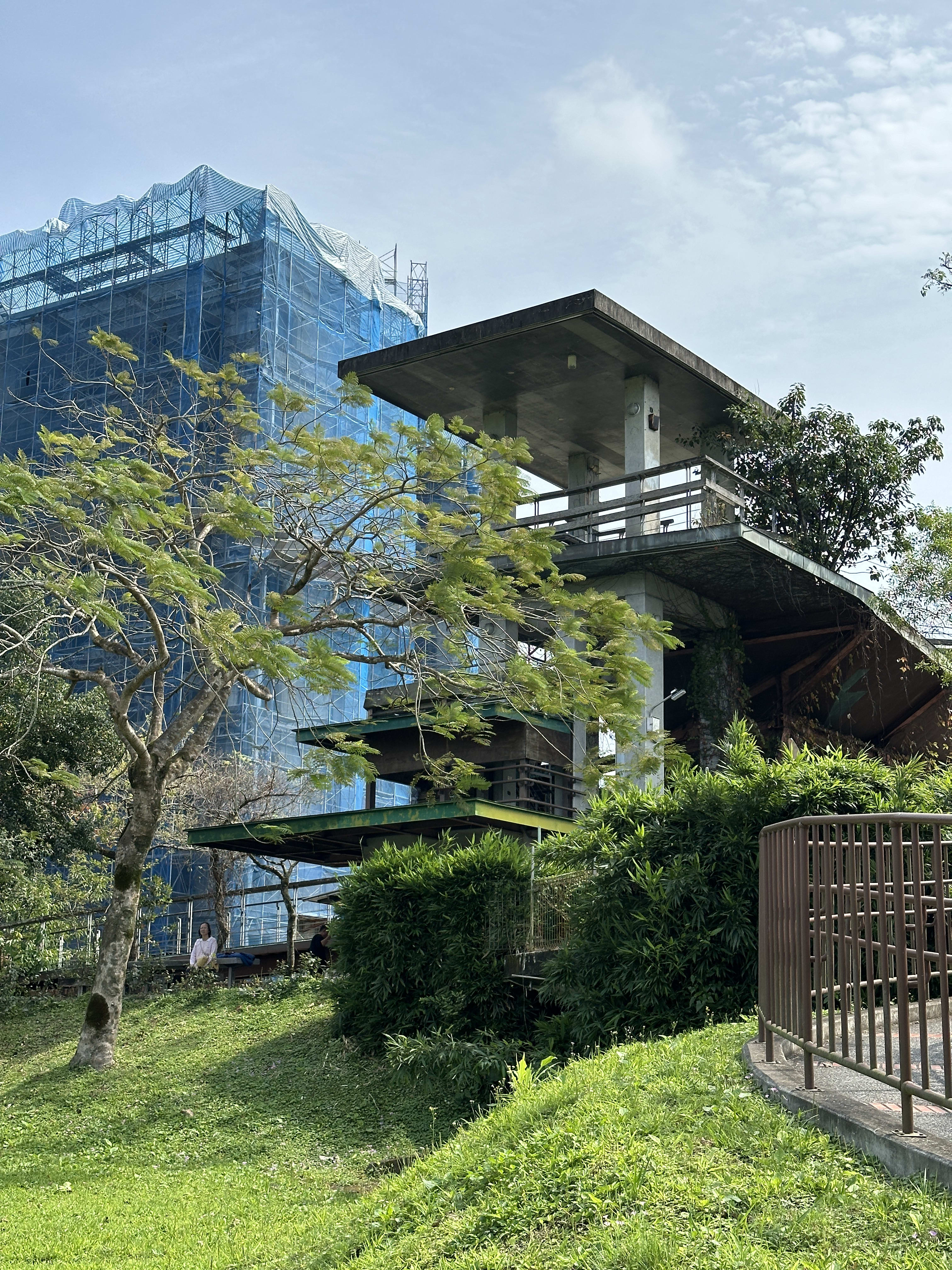
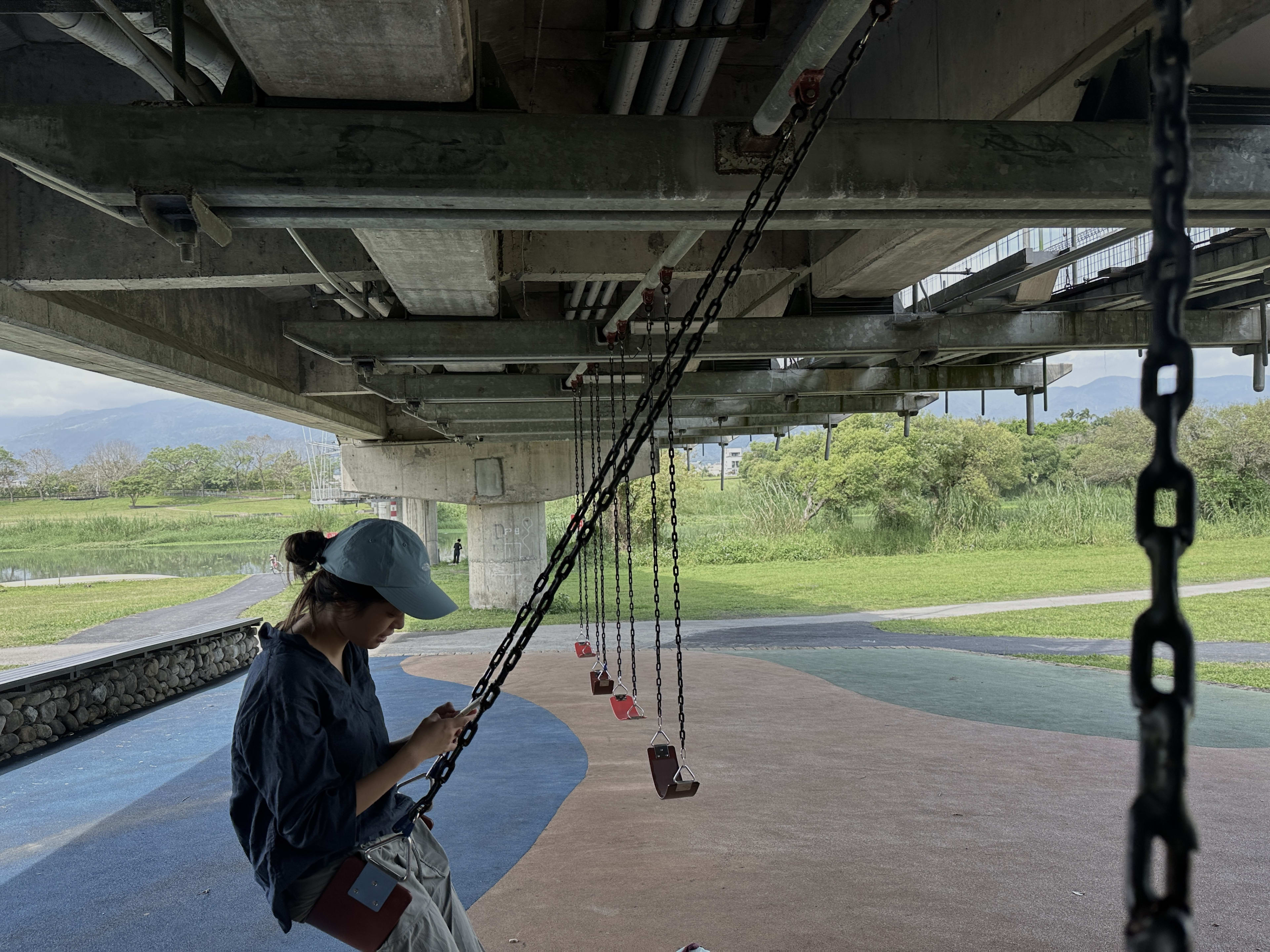
Beneath the Qinghe Bridge in Yilan City, a narrow boardwalk hangs suspended over the river. This is the Jin-Mei Walkway — one of Huang Sheng-Yuan's earliest interventions in the city, and one of his most characteristic.
Parasitic Architecture
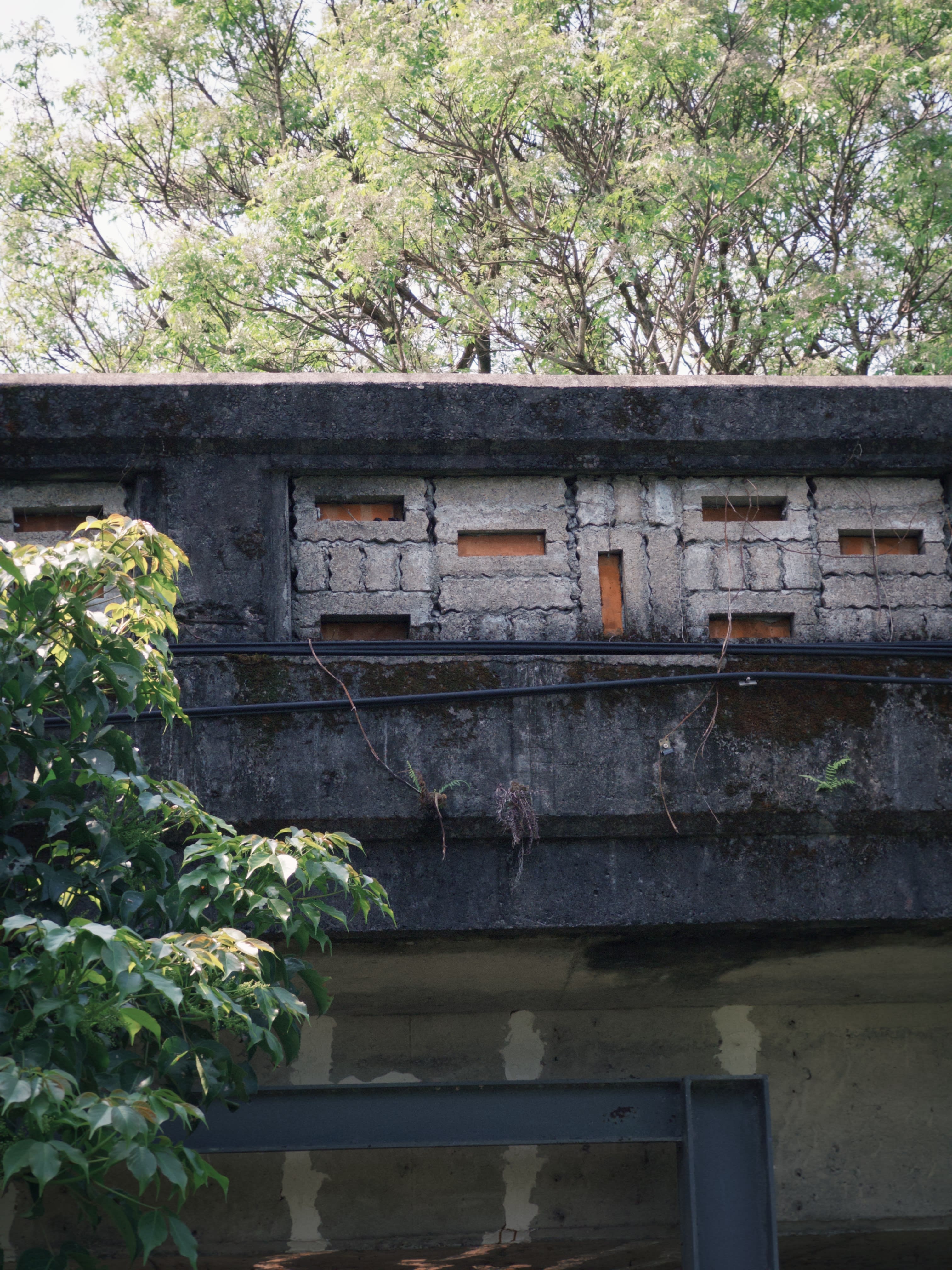
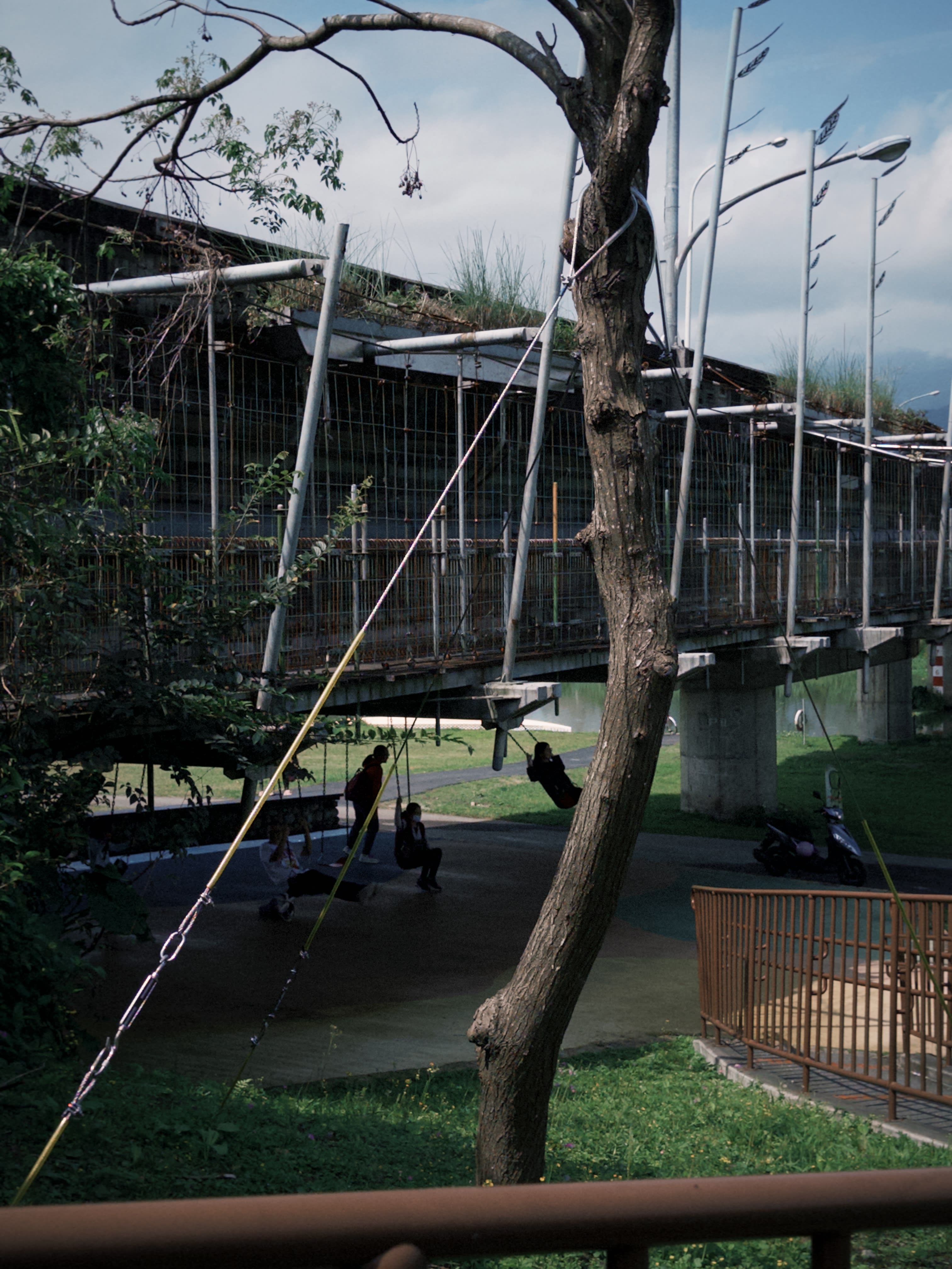
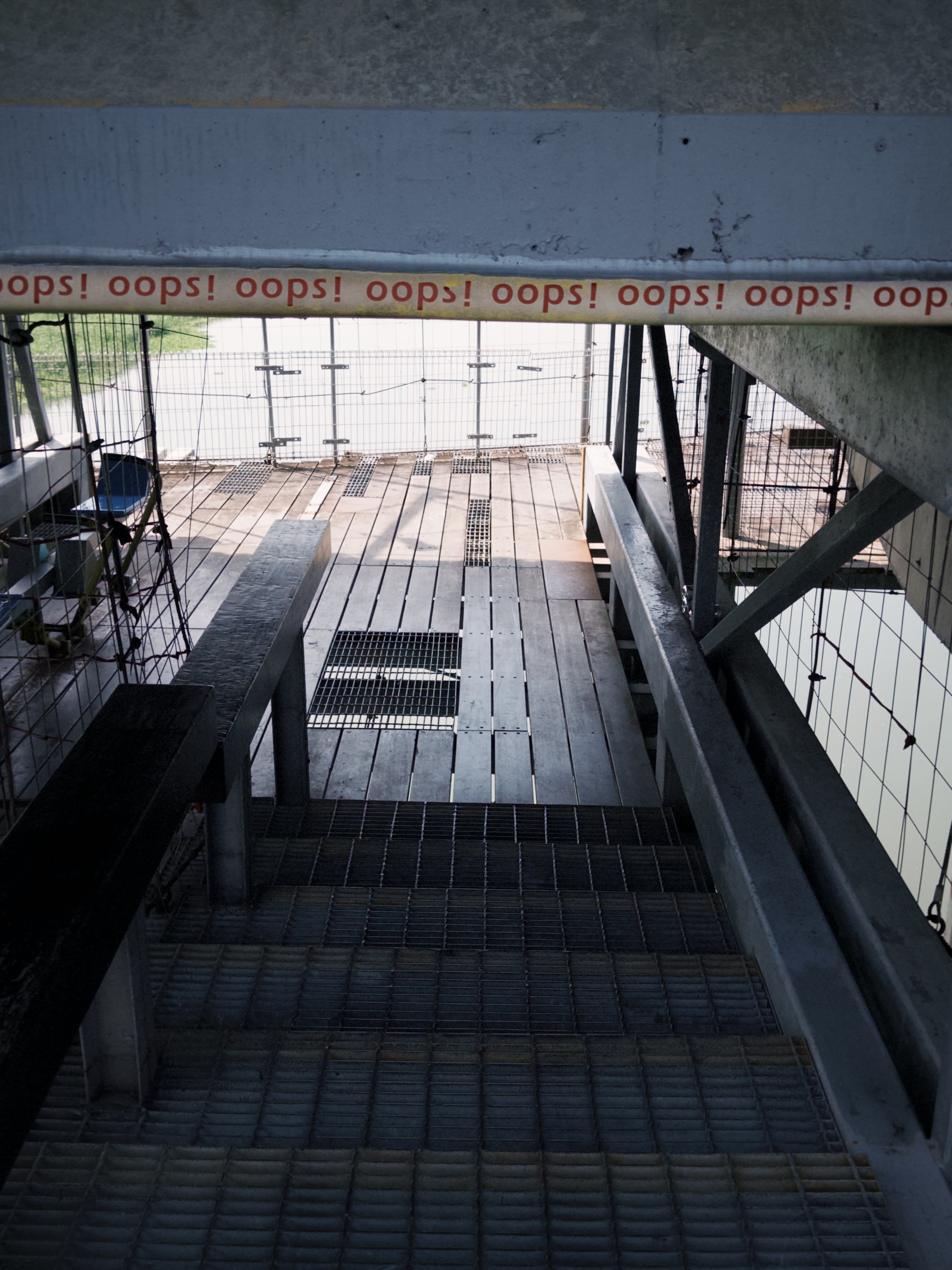
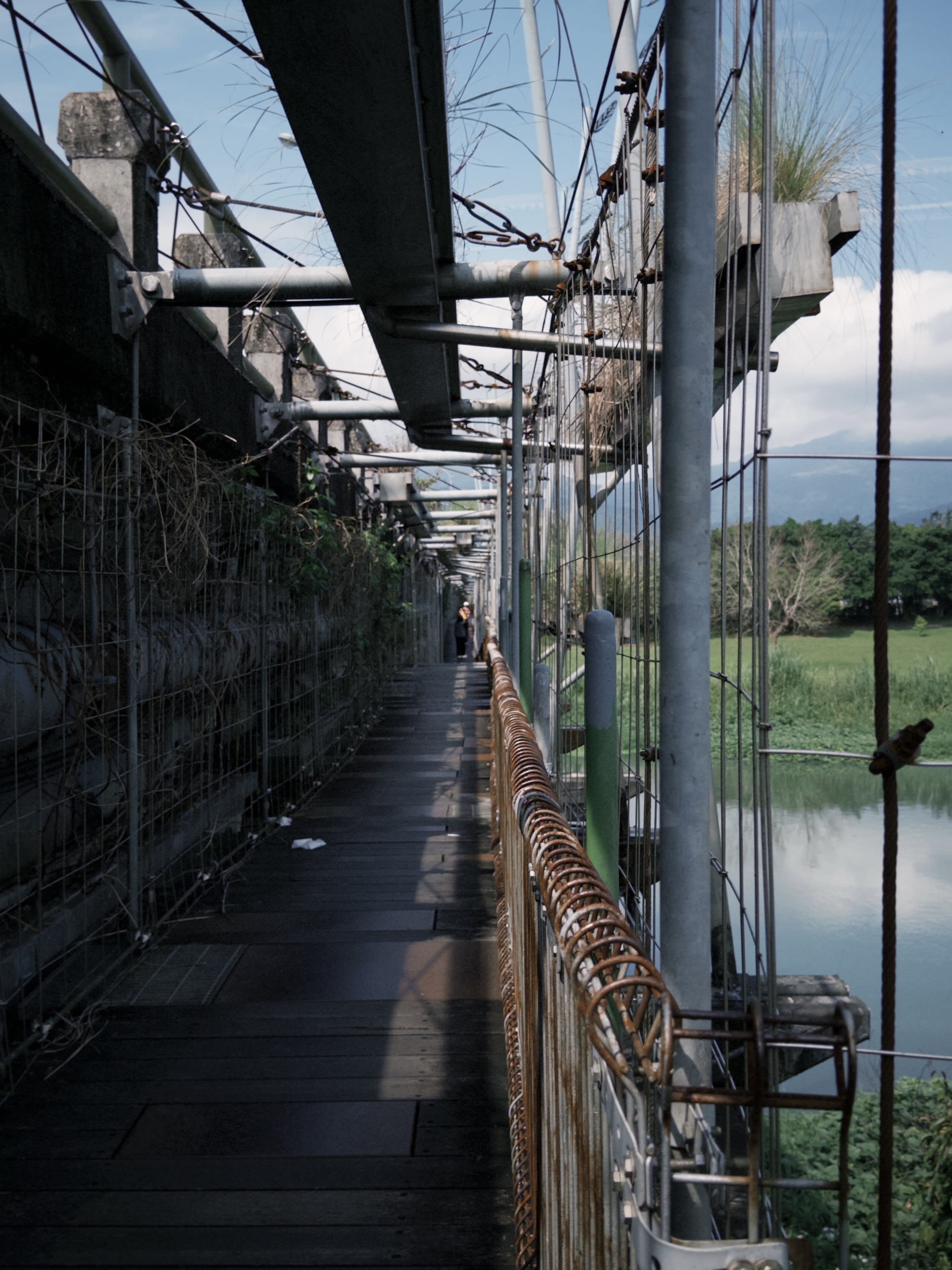
The walkway does not stand on its own foundations. It is attached to the underside of an existing highway bridge, borrowing structure from infrastructure the way a vine borrows a wall. The boardwalk is narrow — just wide enough for two people to pass — and it threads along the bridge's edge, cantilevered over the Yilan River.
This is architecture as parasitism, in the most generous sense. The bridge was already there. The river was already there. Huang simply saw the space between them and filled it with public life.
The Walk
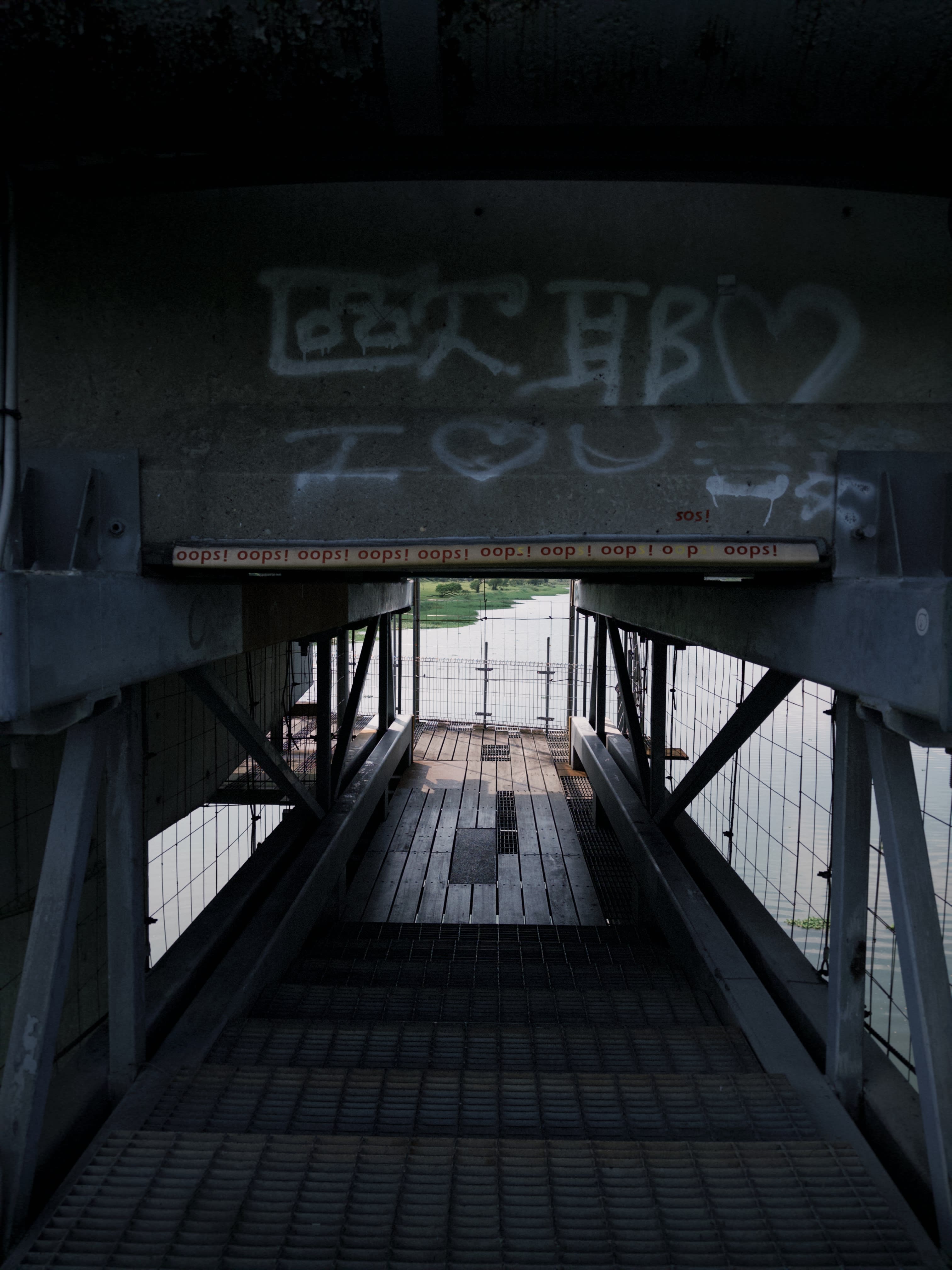
You enter from one bank and walk to the other. Below, the river moves slowly. Above, traffic passes on the bridge deck. Between these two systems — water and highway — the boardwalk creates a third condition: a place for walking, stopping, looking.
The best public spaces are the ones nobody planned for. They exist in the gaps.
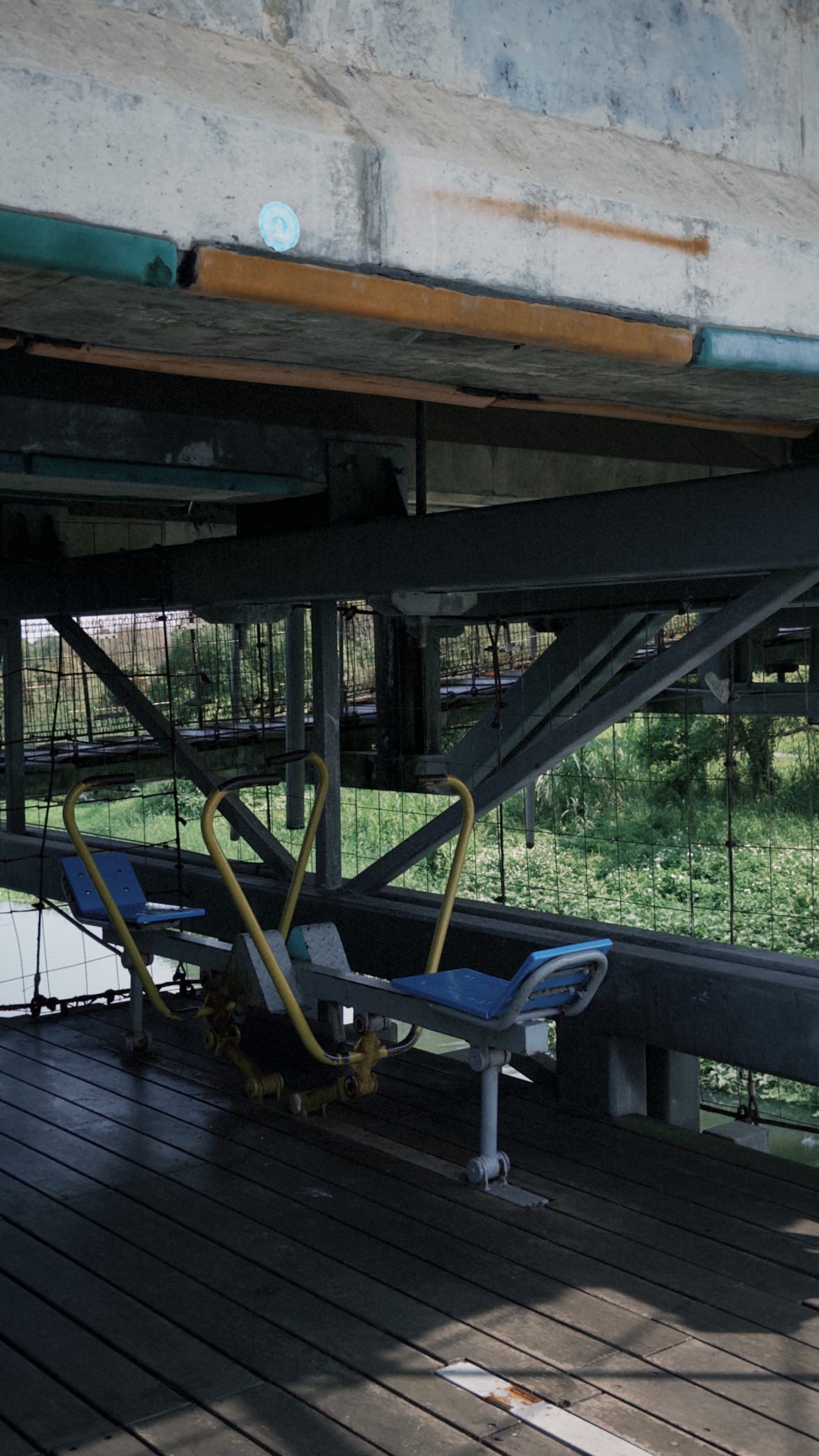
Residents have claimed the walkway as their own. In the mornings, people exercise along its length. In the evenings, families lean on the railings and watch the water. Someone has hung plants from the structure. Someone else has added a small bookshelf.
Fieldoffice Method
The Jin-Mei Walkway is a textbook example of Huang Sheng-Yuan's practice at Fieldoffice Architects (田中央). Rather than designing monumental buildings, the office works at the scale of the gap — the leftover space, the underused infrastructure, the margin between what exists and what could exist.
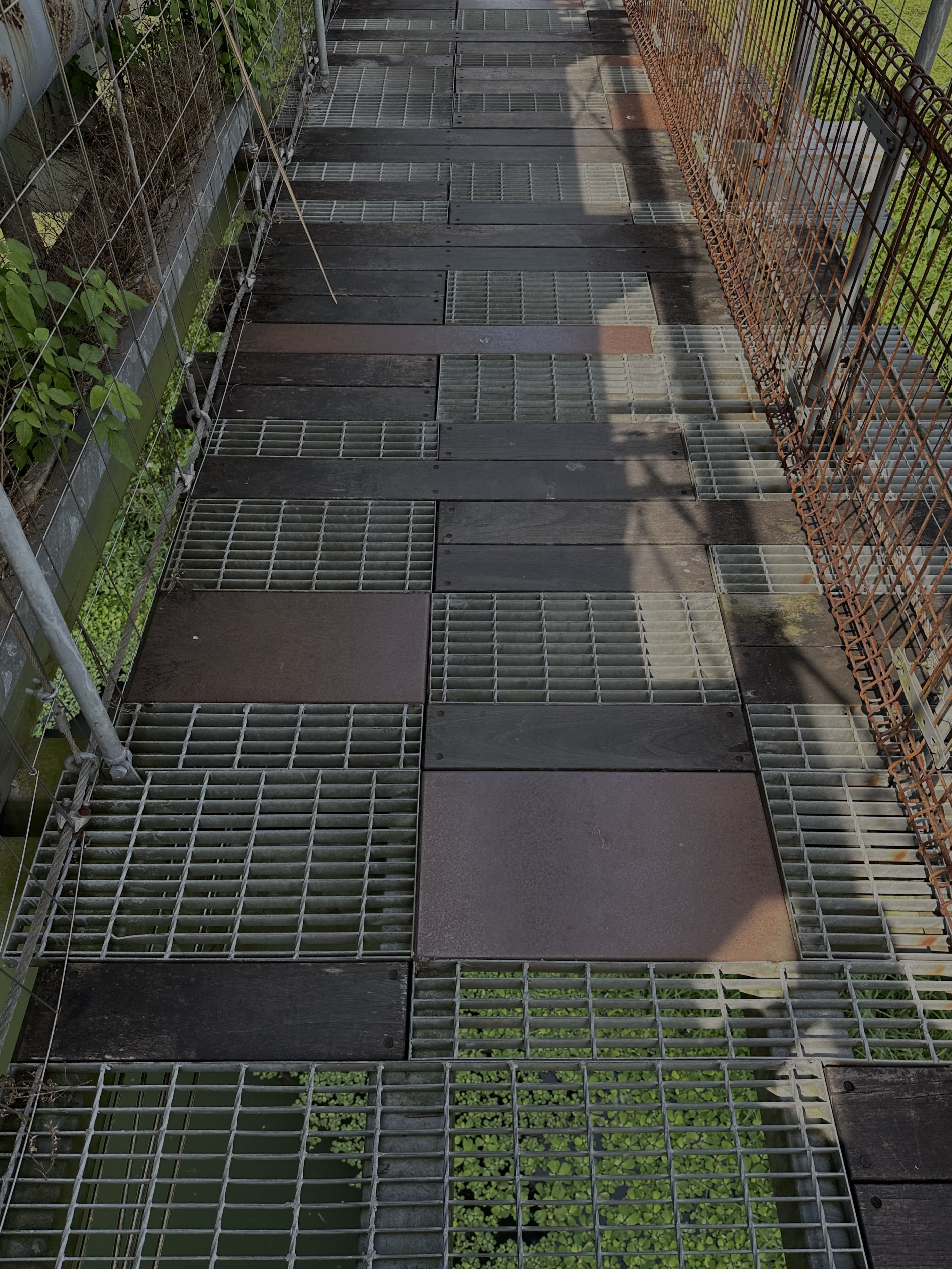
The materials are modest: steel framing, timber decking, simple railings. The budget was small. But the effect is disproportionate. A piece of highway infrastructure that once divided two neighborhoods now connects them.
Accumulation
Like much of Huang's work in Yilan, the walkway was not designed as a finished object. It was designed as a starting point — a scaffold for the city to build upon. The plants, the shelves, the wear patterns on the timber are not additions to the architecture. They are the architecture, arriving slowly, over years, through use.
—gallery