Katsura Imperial Villa
3 min read
Katsura Imperial Villa is the building that made modernists question whether they had invented anything at all. When Bruno Taut visited in 1933, he wept. Walter Gropius came and saw his own principles — modularity, transparency, the integration of inside and outside — already perfected three centuries earlier in wood and paper and stone.
The Garden
You experience Katsura as a sequence of views. The strolling garden is designed so that each step along the path reveals a new composition — a stone lantern framed by a pine, a bridge reflected in still water, a teahouse half-hidden behind bamboo. Nothing is visible all at once. The garden unfolds in time, like a scroll painting.
The paths are deliberate. Stepping stones of irregular shape force you to look down, controlling your pace, so that when you raise your eyes the next view arrives at precisely the right moment.
The Shoin
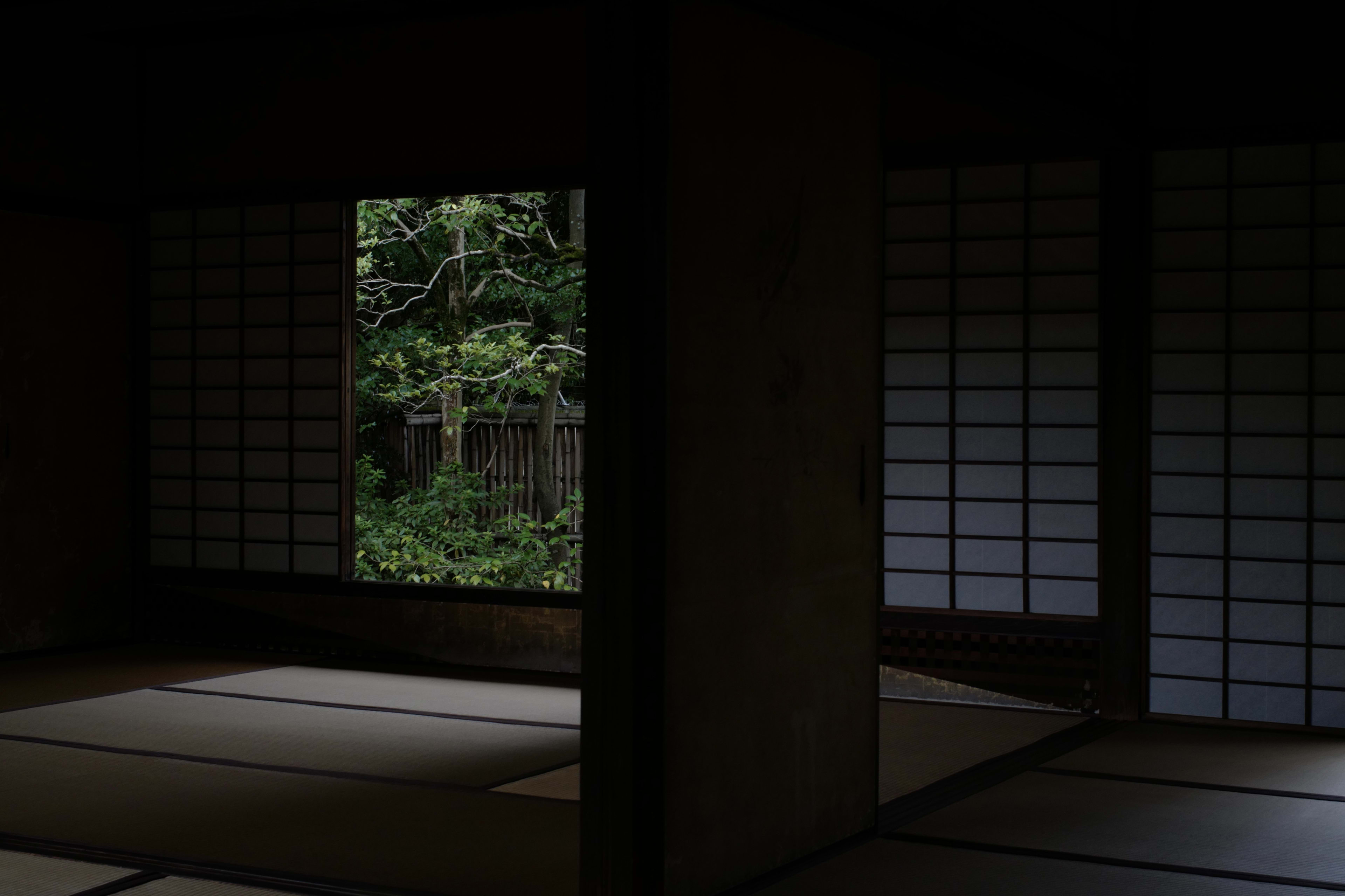
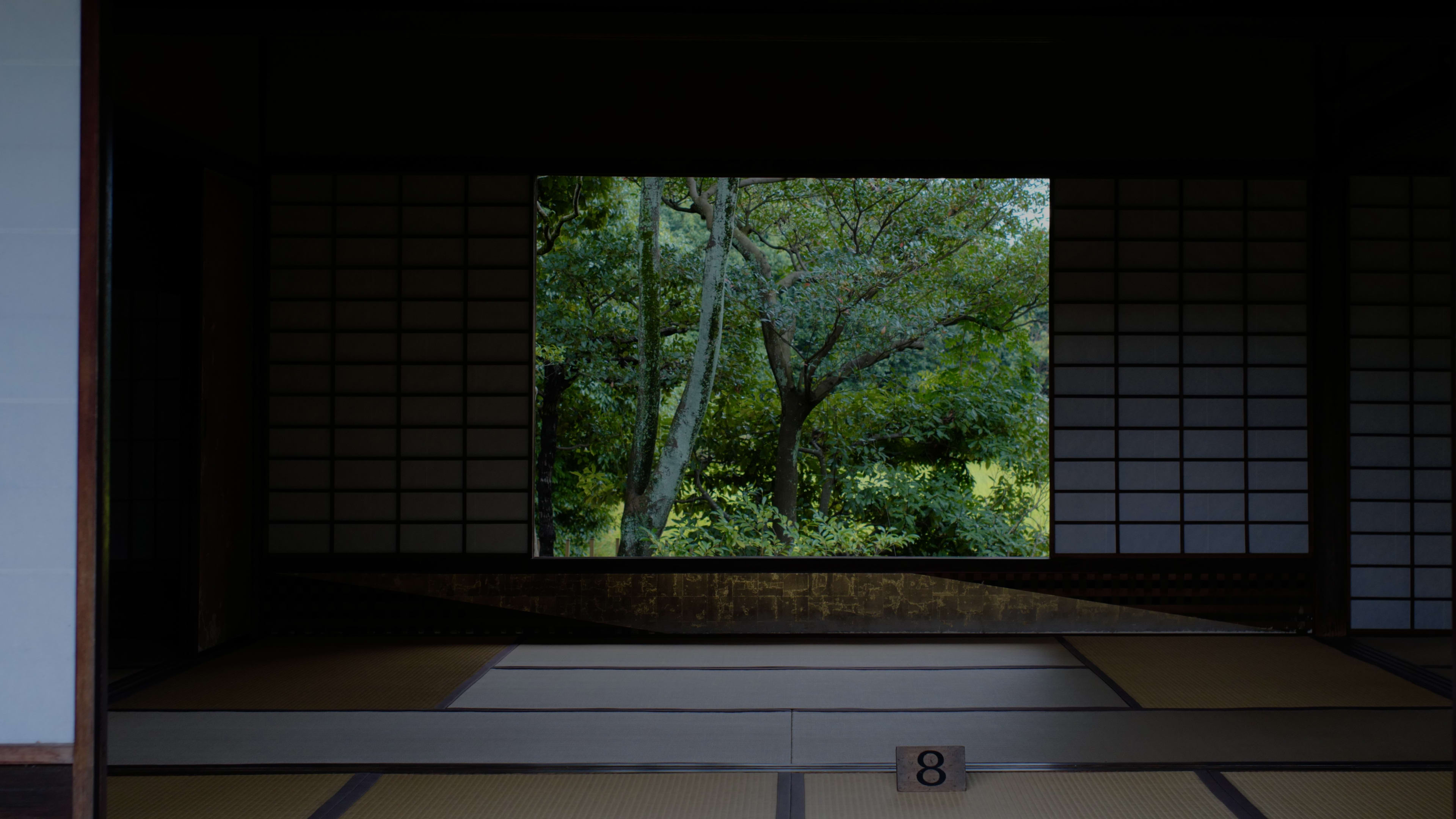
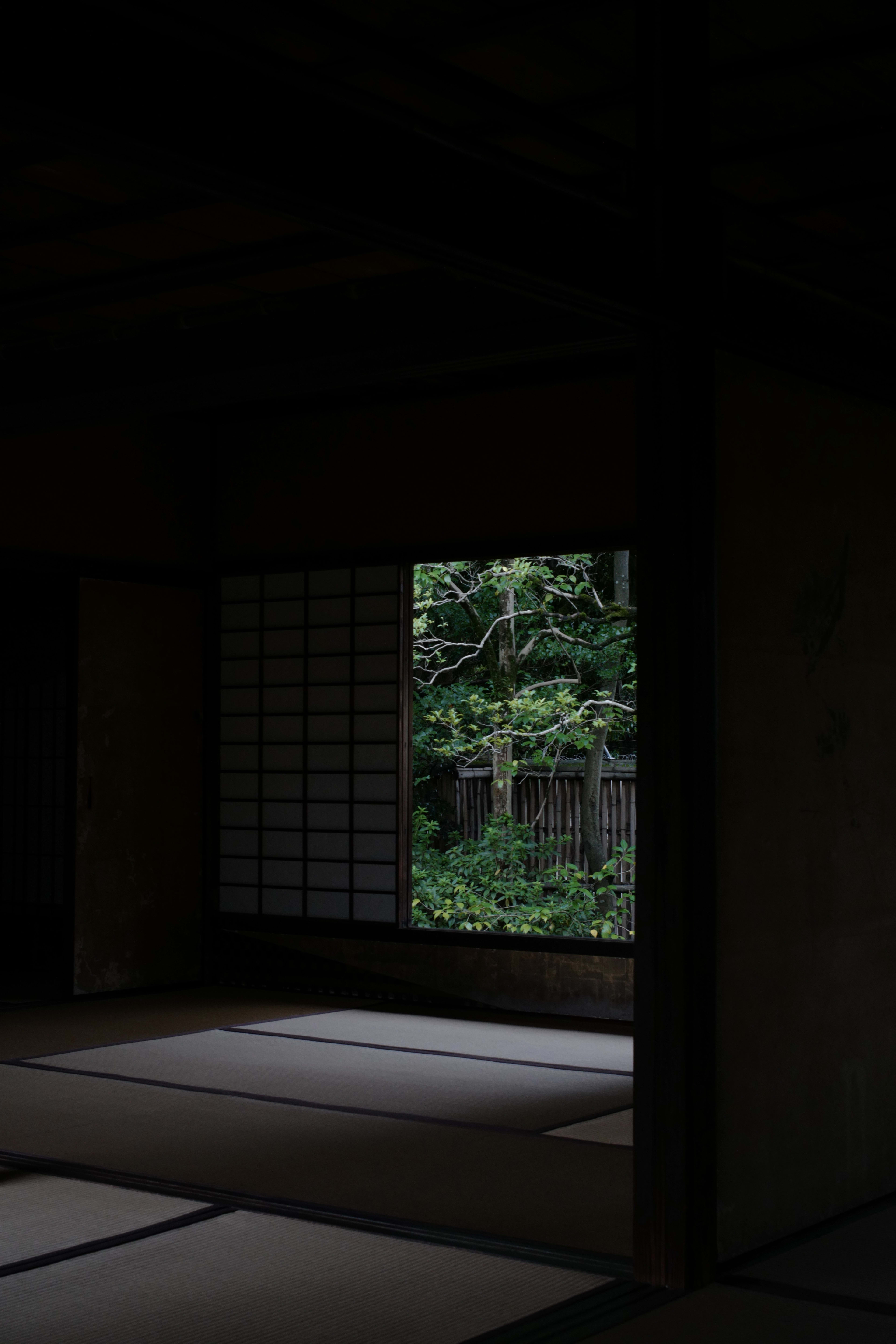
The main buildings — Old Shoin, Middle Shoin, New Palace — step diagonally across the site in a staggered arrangement that gives each room a different relationship to the garden. The tatami modules determine every proportion. Walls slide open. The boundary between room and veranda and garden is a gradient, not a line.
The beauty of Katsura lies not in what is there but in what has been left out.
The interiors are almost empty. A tokonoma alcove with a single scroll. Fusuma panels painted with restrained brushwork. The architecture is structure and light and proportion, and nothing else.
The Teahouses
Scattered through the garden are several teahouses, each positioned for a specific view or a specific quality of light. The Shōkin-tei looks across the pond toward the moon-viewing platform. The Shōka-tei is set back in the trees, intimate and enclosed. Each one is a miniature architecture — complete, self-sufficient, and precisely sited.
The tea ceremony requires a space of exactly four and a half tatami mats. Within that constraint, each teahouse finds its own character through the treatment of materials, the placement of a window, the angle of approach.
Modularity
Every dimension at Katsura derives from the tatami mat. The rooms, the corridors, the verandas, the spacing of the columns — all are multiples or fractions of a single unit. This is not rigidity. It is freedom through constraint, a grammar that allows infinite variation within a fixed vocabulary.
Le Corbusier would later attempt the same thing with his Modulor. The difference is that at Katsura, the module is not abstract — it is the size of a body lying down to sleep.
—gallery