Palais de Tokyo
2 min read
The Palais de Tokyo is not a building that asks to be admired. It is a building that asks to be used.
The Anti-Museum
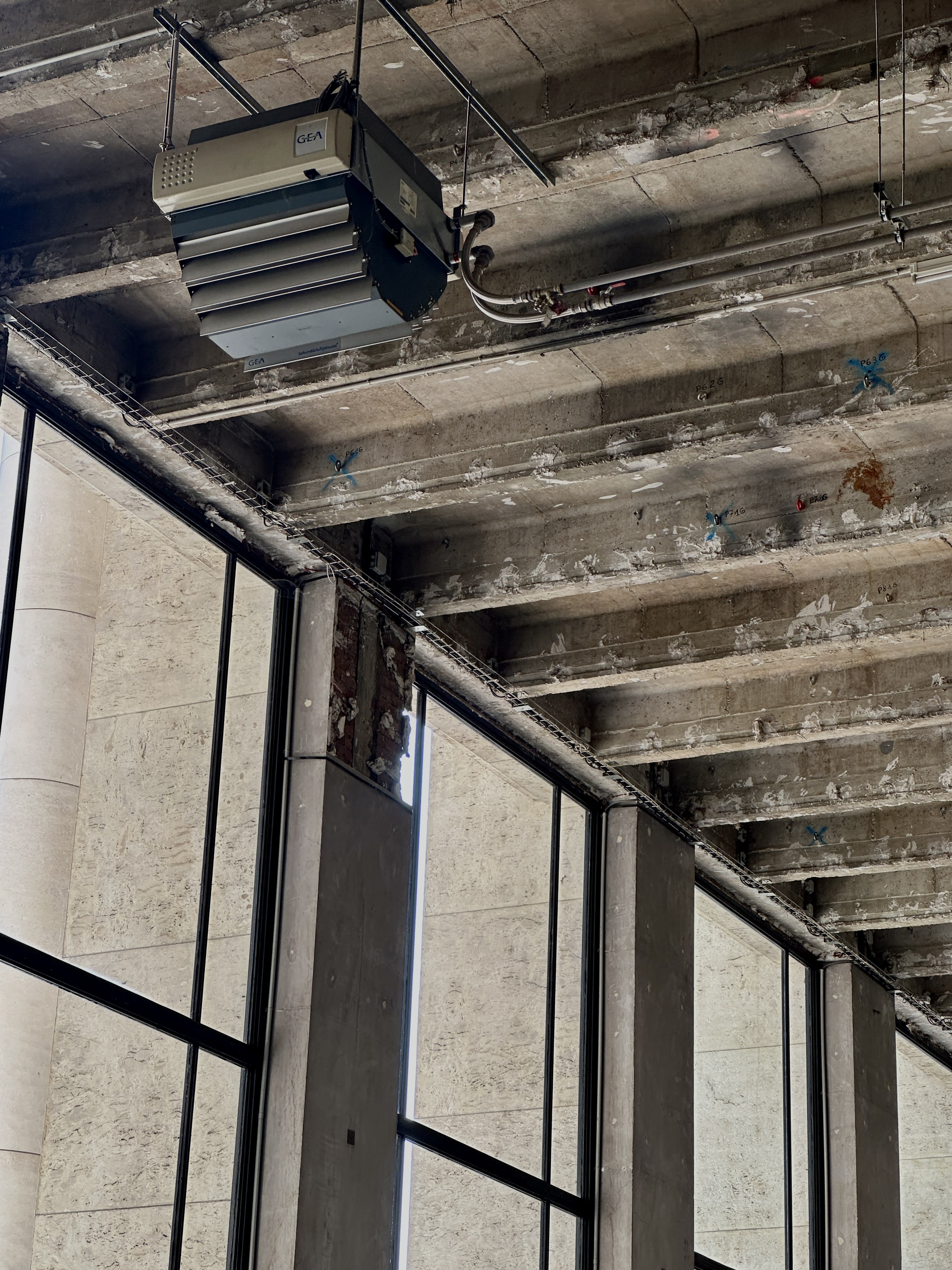
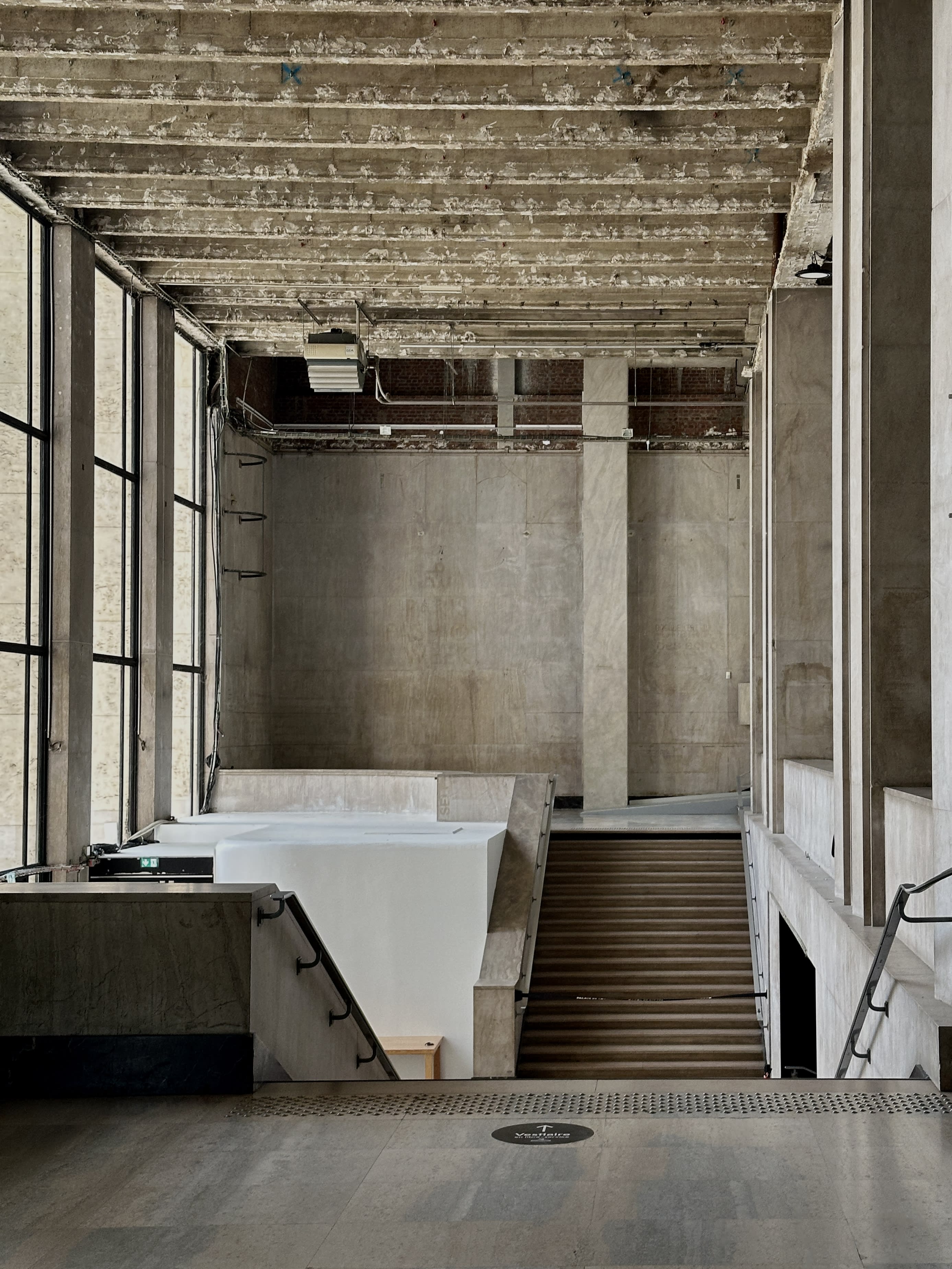
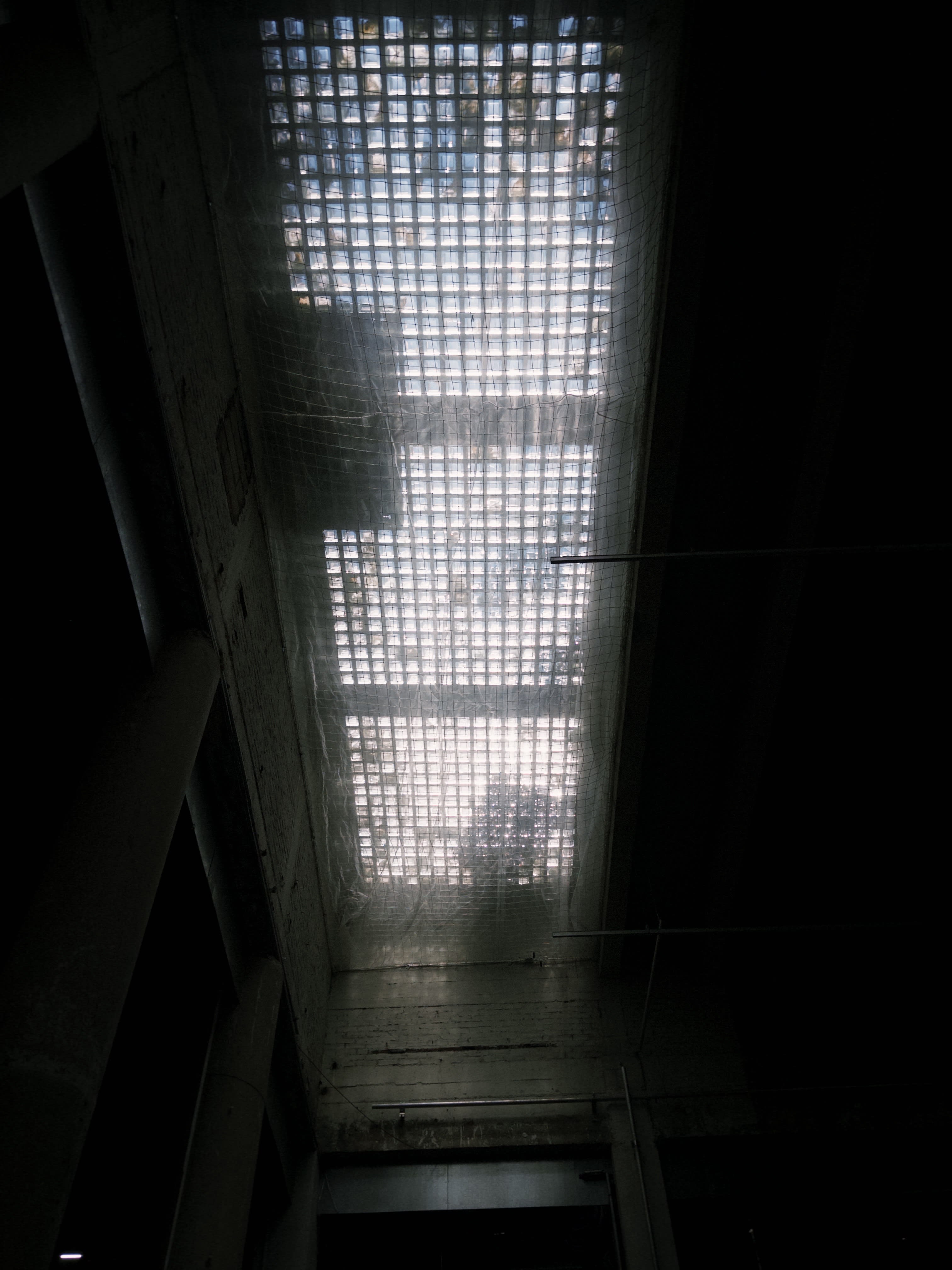
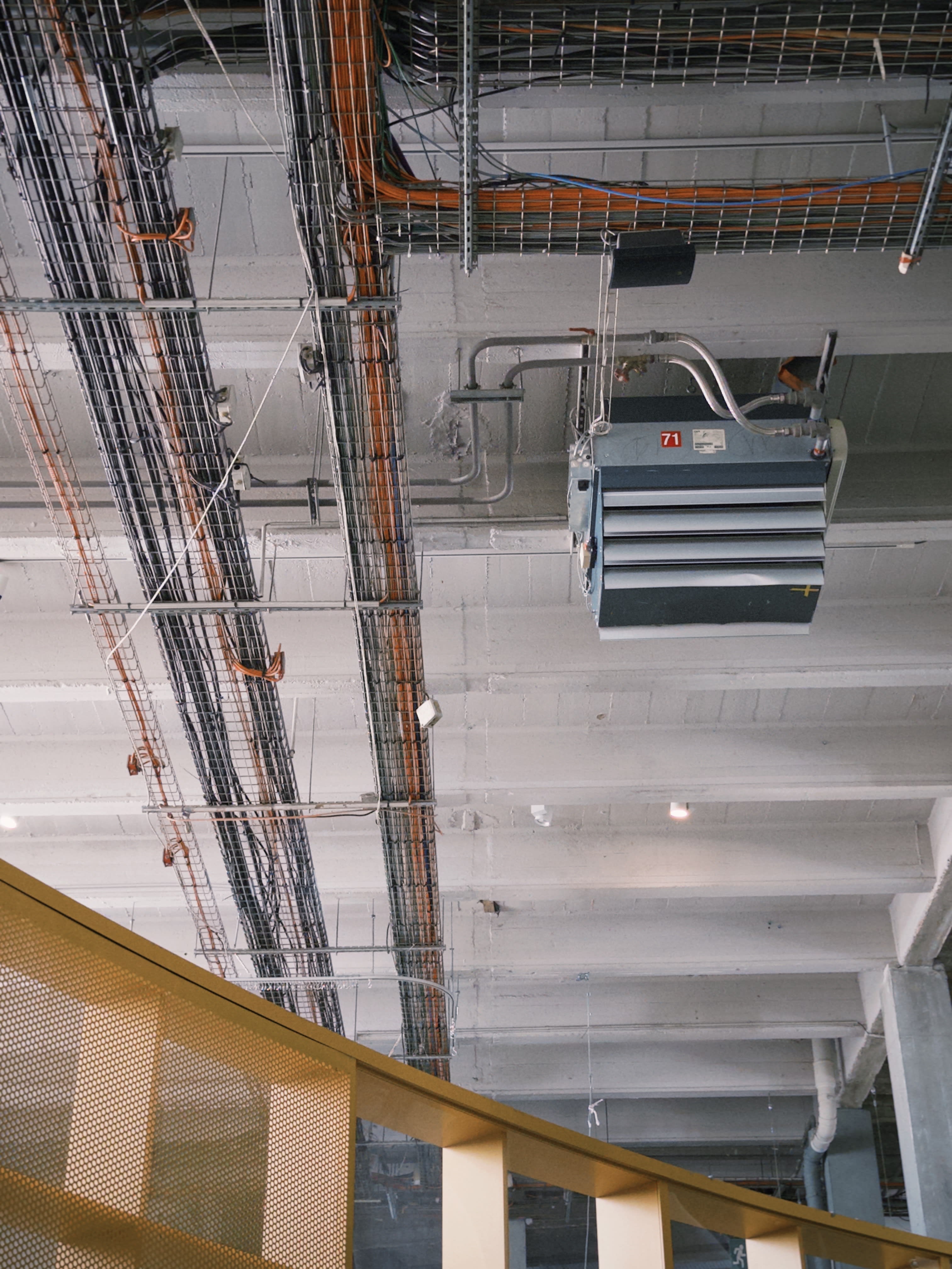
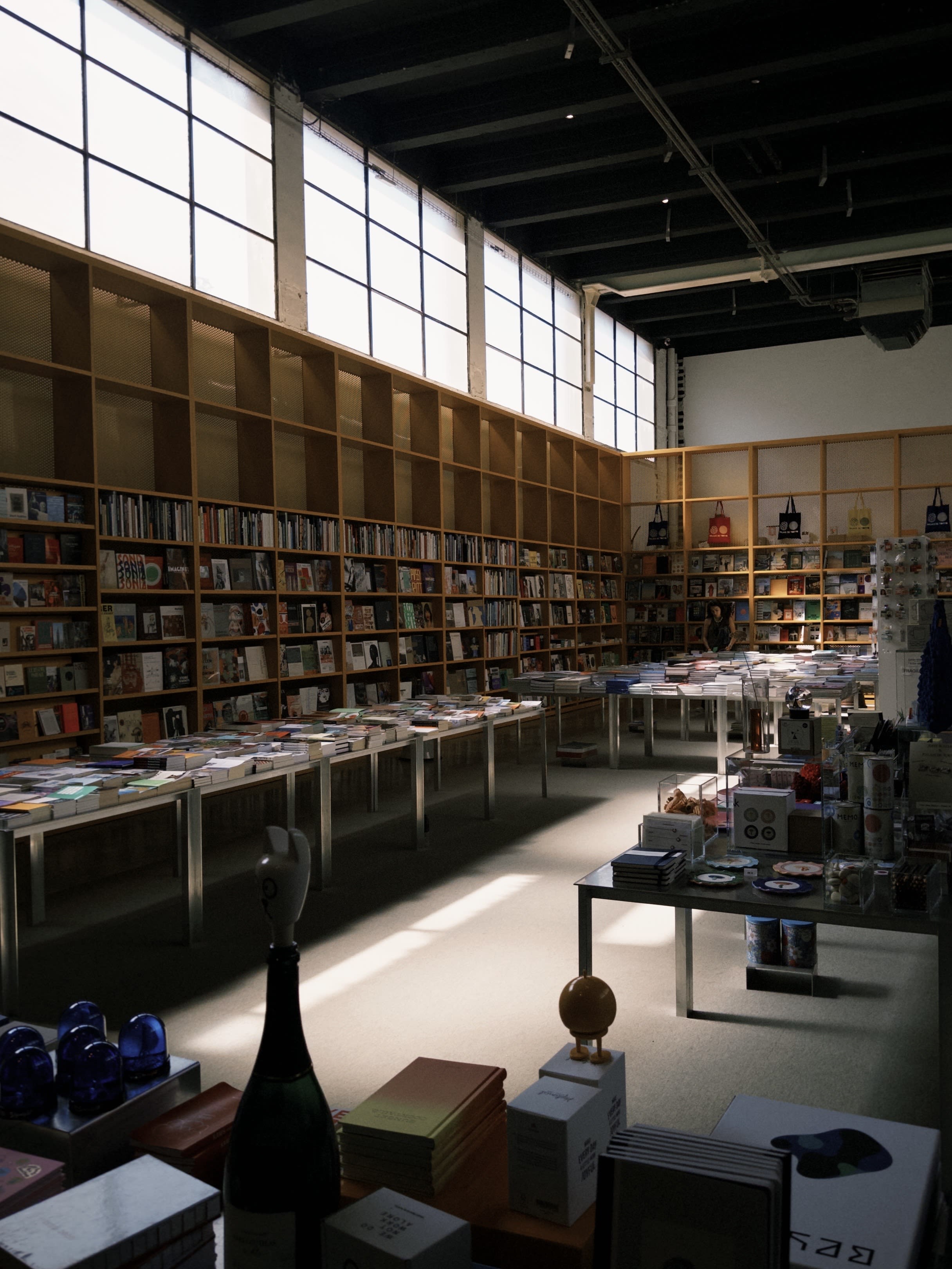
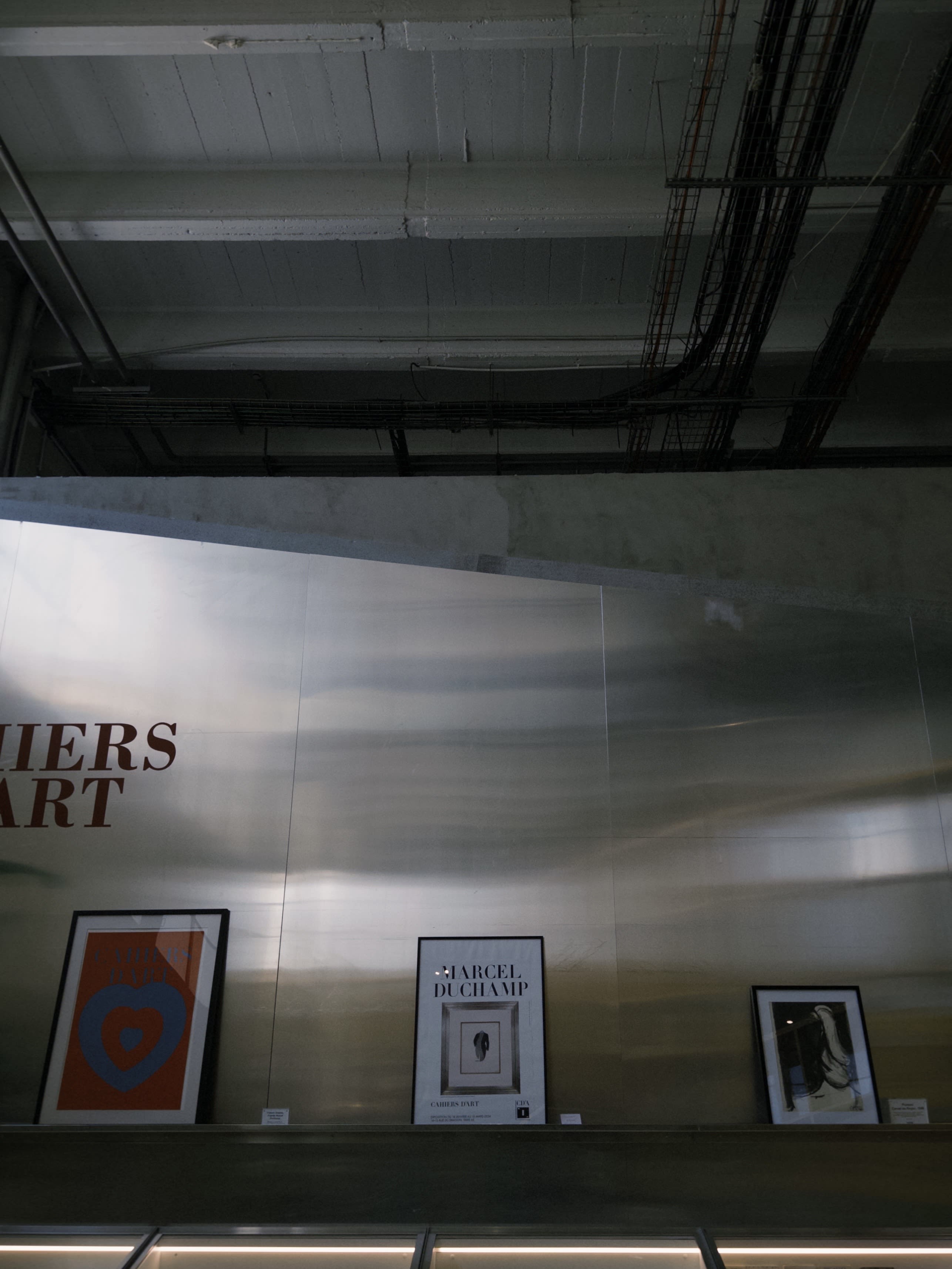
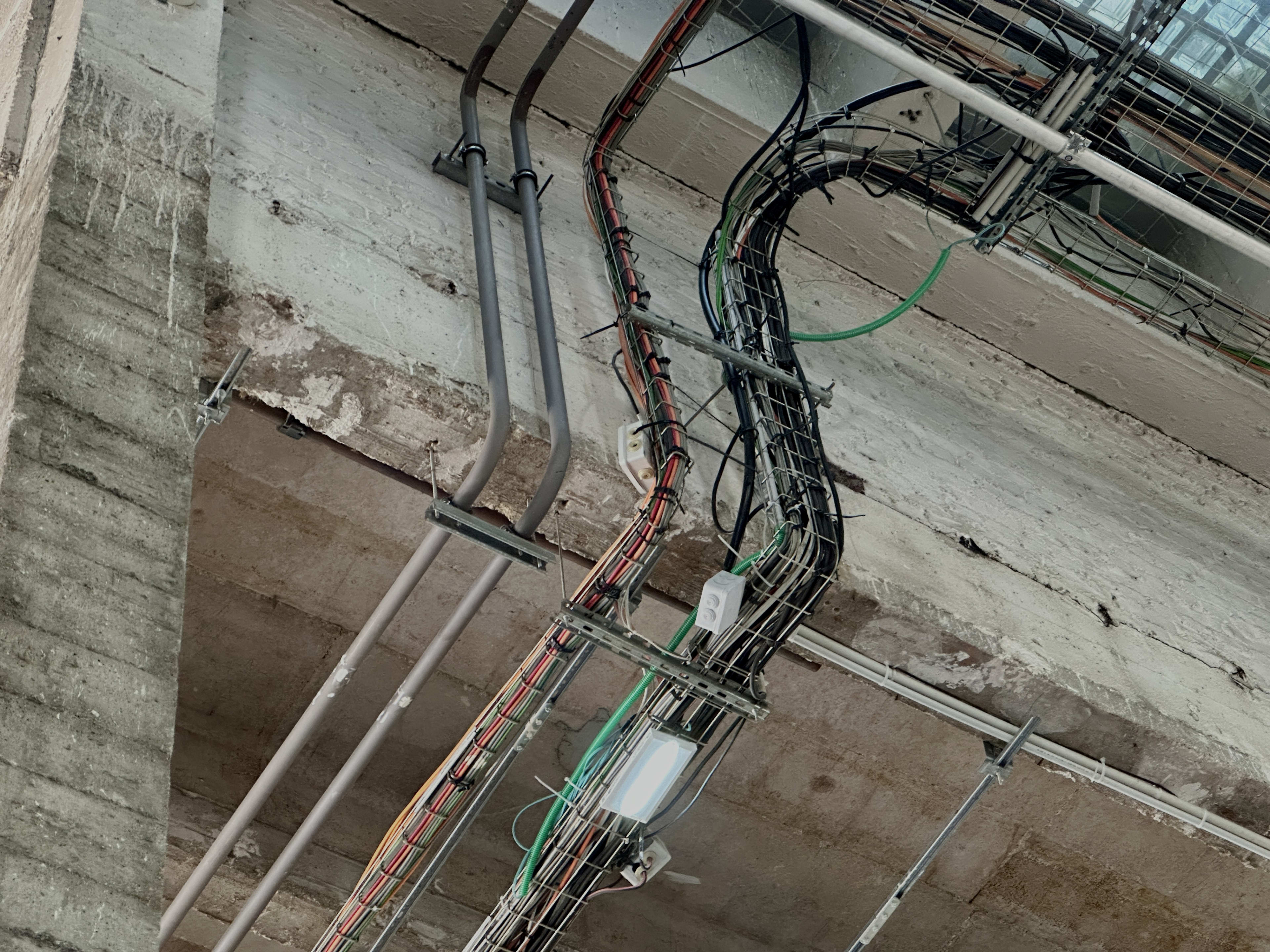
Where most museums offer polished surfaces and controlled light, the Palais de Tokyo presents raw concrete, exposed ductwork, and a deliberate absence of finish. Lacaton & Vassal's 2012 renovation stripped the interior back to its structural skeleton — a gesture of subtraction rather than addition.
The result is one of the largest contemporary art spaces in Europe, and one of the most confrontational. There is no marble lobby, no grand staircase. You descend into the space as if entering an industrial basement, and the art meets you there.
Concrete as Canvas
The walls are not white. They carry the marks of previous installations — screw holes, paint traces, adhesive residue. Each exhibition leaves its archaeology behind, and the building accumulates memory like a palimpsest.
This is concrete doing what it does best: holding space without imposing meaning. The material is honest about its age, its process, its indifference to decoration.
The best architecture for art is the architecture that gets out of the way.
The Seine Side
From the terrace, the Seine stretches east toward the Eiffel Tower. The contrast is instructive — one building that demands to be seen from every angle, another that barely announces its presence from the street. The Palais de Tokyo's façade, a 1930s neoclassical shell, gives no indication of the raw interior behind it.
This tension between exterior and interior, between expectation and reality, is perhaps the building's most powerful quality. It teaches you to look past surfaces.
—gallery