de Young Museum
2 min read
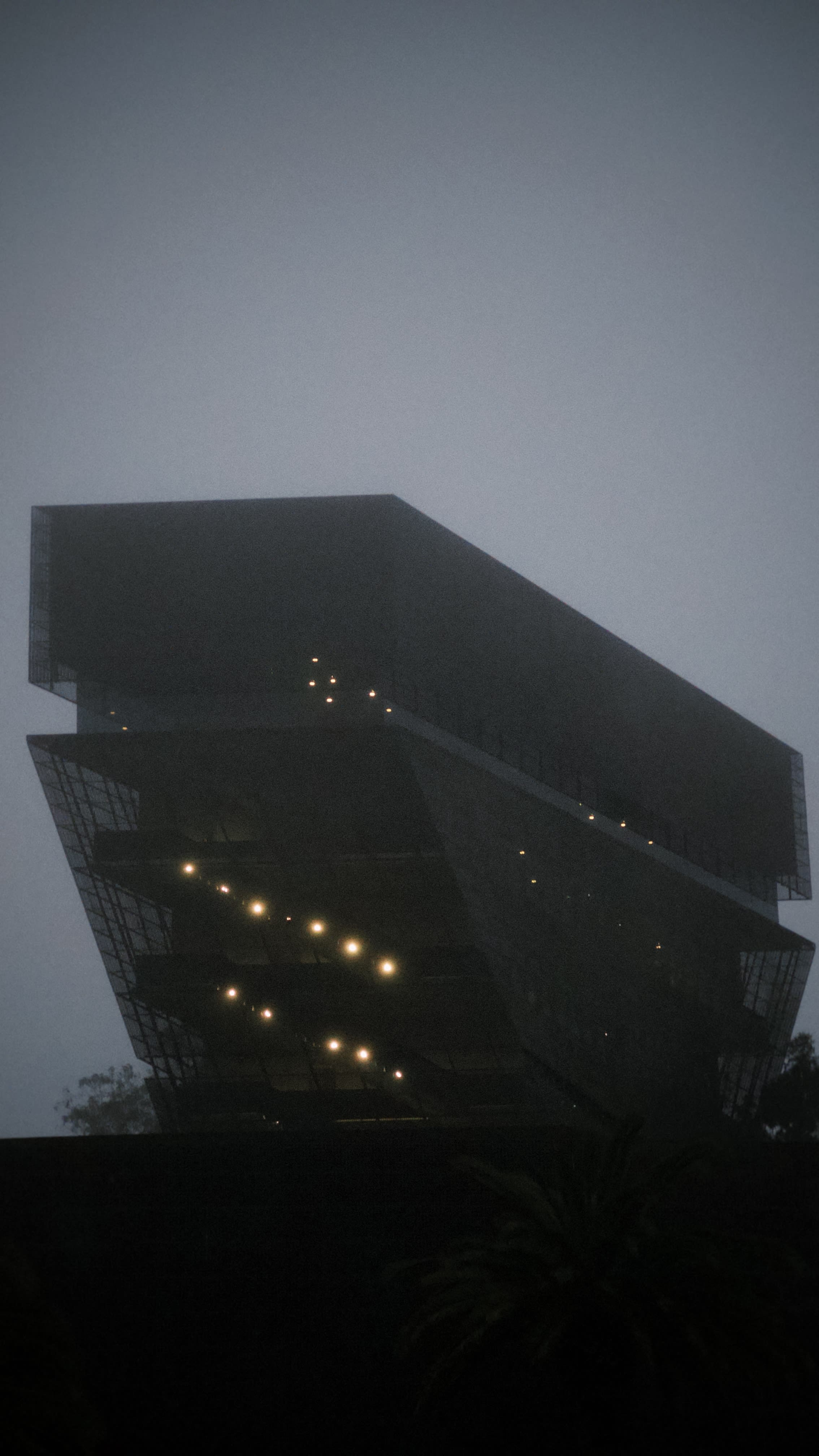
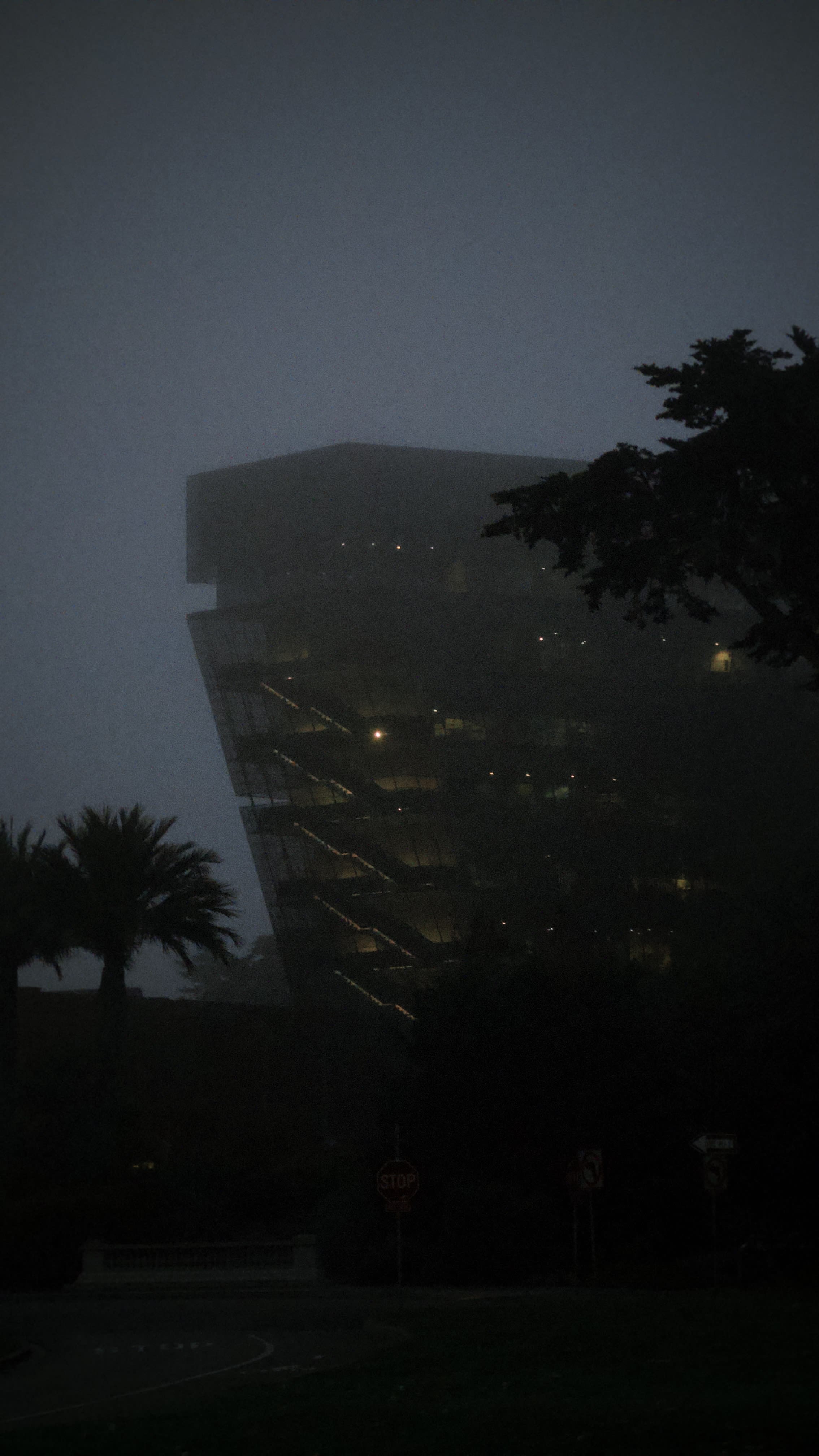
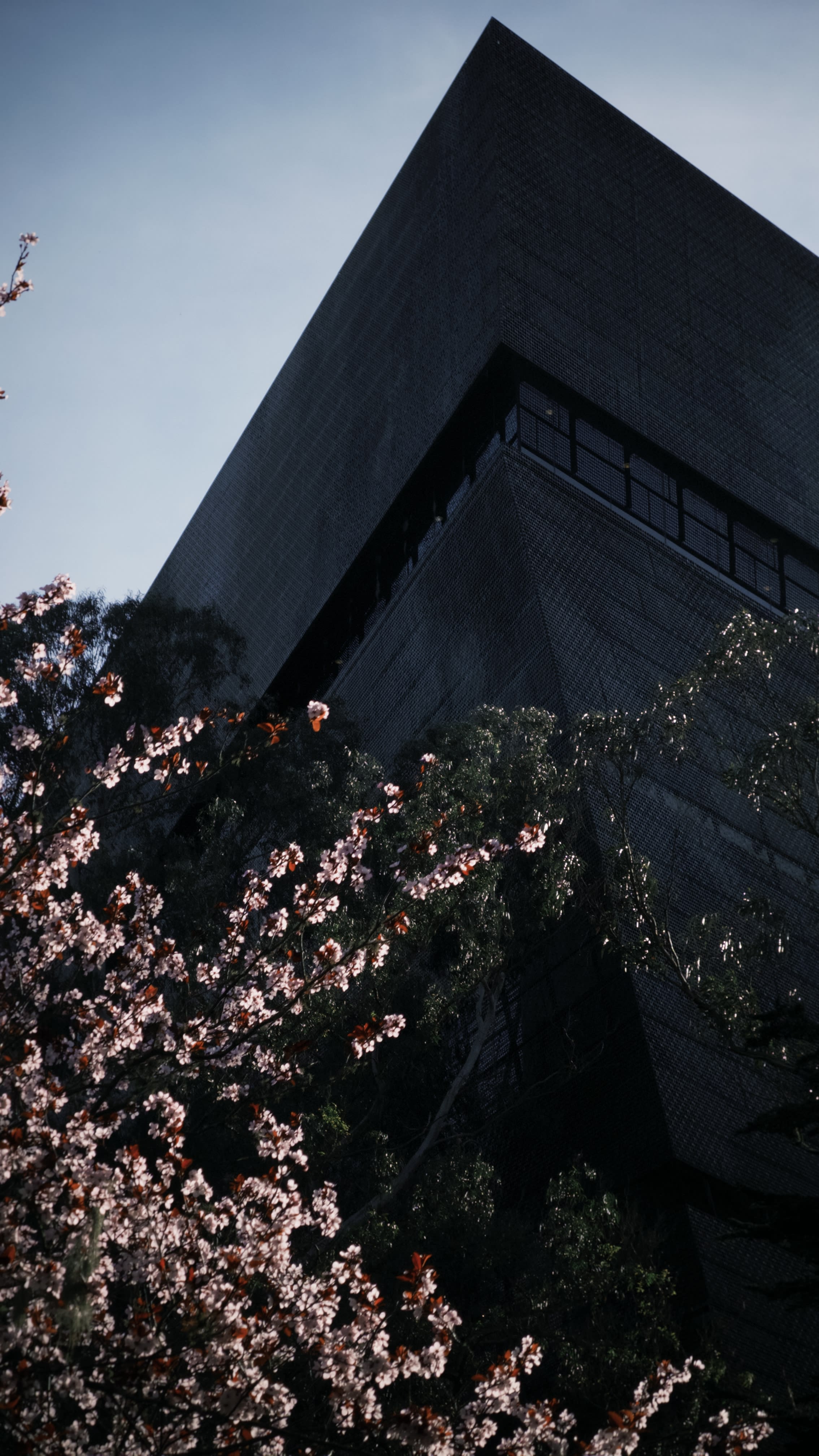
The de Young Museum sits in Golden Gate Park wrapped in copper that is slowly turning green. Herzog & de Meuron designed it that way — a building that would eventually match the eucalyptus canopy around it, vanishing into the park over decades.
The Skin
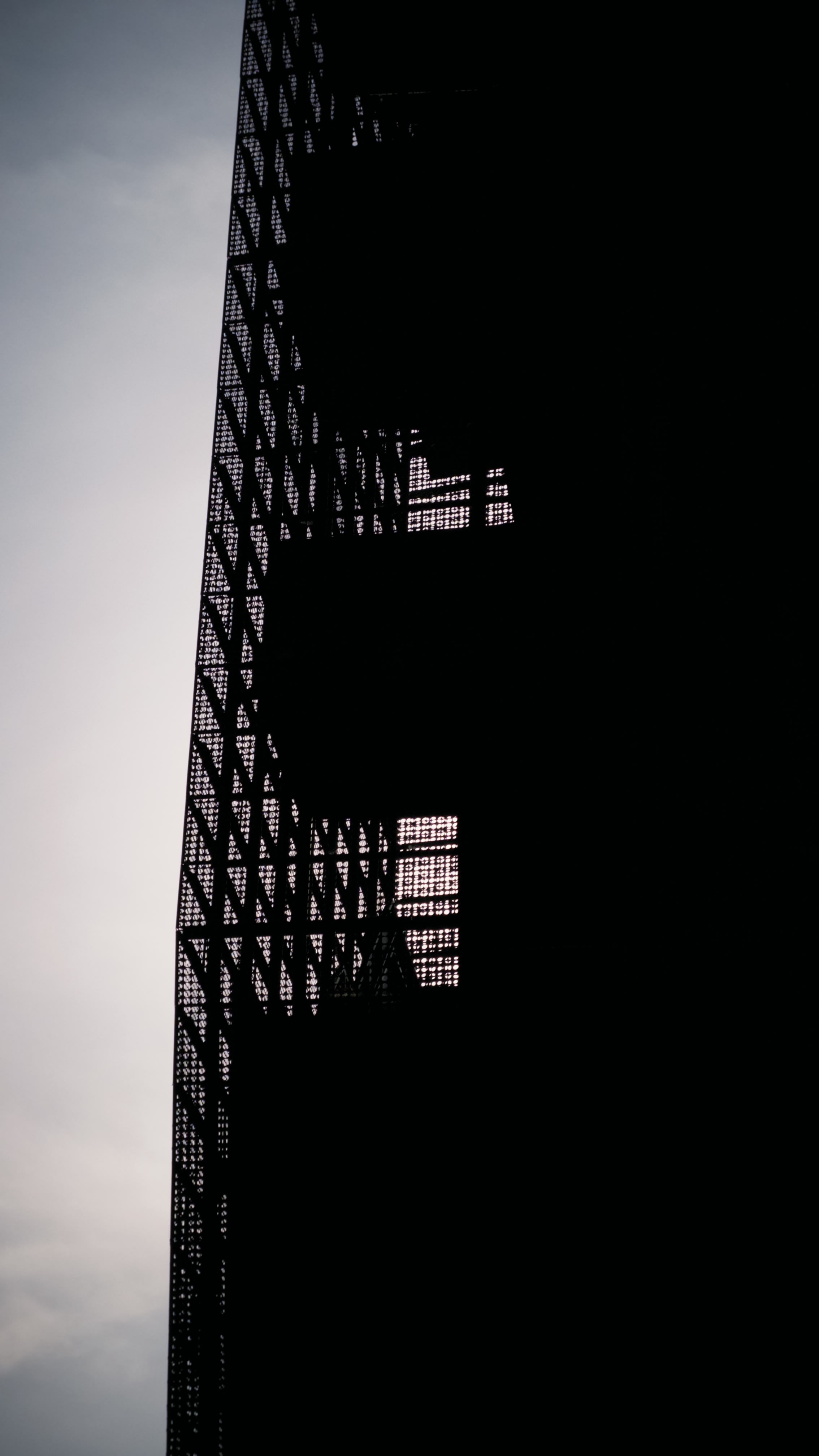
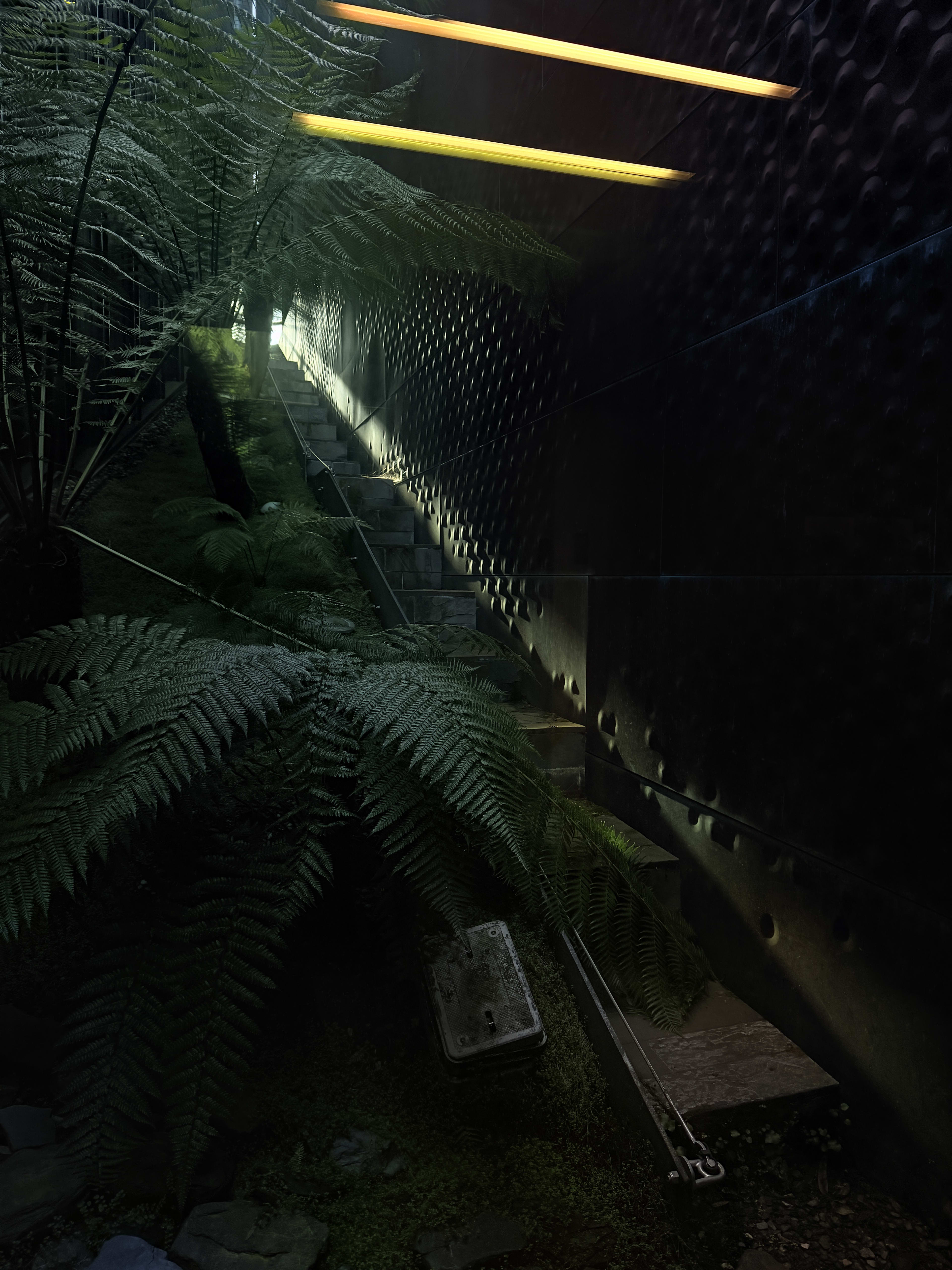
The copper panels are perforated and dimpled in a pattern derived from photographs of light filtering through the park's tree canopy. Up close, the surface reads as texture — thousands of small circles punched into the metal, casting pinhole shadows on the walls behind. From a distance, the facade dissolves into a shimmering field that shifts with the weather and the hour.
The copper arrived bright and salmon-pink. It has since begun its long oxidation toward verdigris. The building is not finished. It is still becoming what it will be.
The Tower
A twisting observation tower rises from the northeast corner of the museum, torquing as it climbs. The geometry is subtle — the floor plan rotates slightly at each level, so that by the top the view has shifted orientation entirely. From the observation deck, San Francisco spreads out in every direction: the Pacific, the Marin Headlands, downtown, the park itself.
We wanted to make a building that belongs to the park — not an object placed in landscape, but landscape itself.
The tower is the one element that breaks the building's horizontal profile, marking it in the skyline without competing with the trees.
The Galleries
Inside, the galleries are quiet. Daylight enters through the perforated skin, filtered and softened. The rooms vary in proportion — some tall and open for large-scale work, others intimate. The circulation is not forced; you drift through the collection along multiple possible paths, the park visible through windows at unexpected turns.
Park and Building
The de Young replaced an earlier museum damaged in the 1989 earthquake. Herzog & de Meuron's design responds to that context — the building is low, spread across the site rather than stacked upward, and the landscaping by Walter Hood weaves the park directly into the architecture. The boundary between garden and museum is deliberately unclear. Sculpture occupies both sides of the glass.
This is a building that asks for patience. Its best quality is the one you cannot see yet — the green it is still becoming.
—gallery